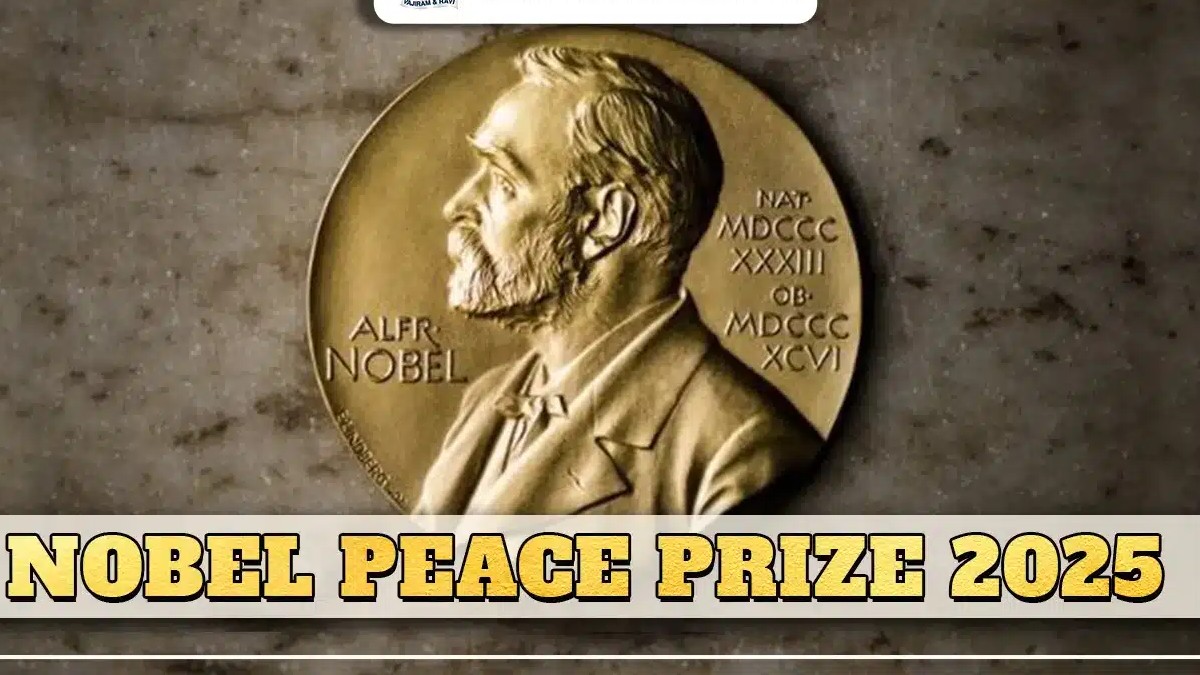
Chapter 1: The Origin of the Nobel Prize
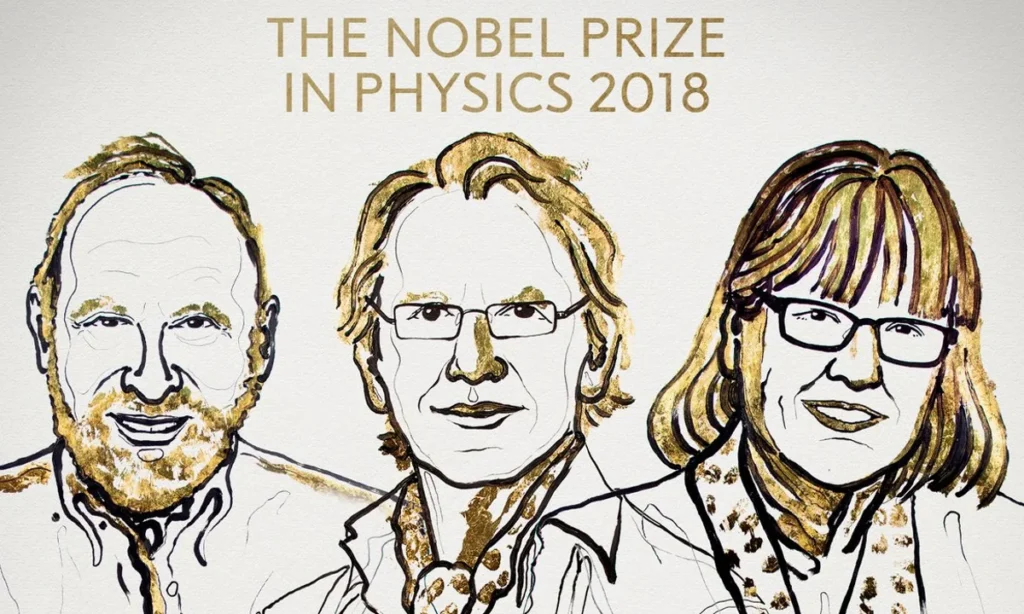
Pic Credit: The Guardian
1.1 Alfred Nobel: The Man Behind the World’s Most Prestigious Award
Alfred Nobel (1833–1896) didn’t just invent dynamite—he changed the world, for better and worse. As a Swedish inventor, chemist, and businessman, he made a fortune from dynamite, but the invention also haunted him. People blamed him for its role in war and destruction.
One morning in 1888, Alfred opened a French newspaper and saw his own obituary. The headline? “The merchant of death is dead.” They’d mistaken him for his brother Ludvig. Reading his imagined legacy shocked him. That moment stuck with him, so much so that, in 1895, he rewrote his will and left almost everything—94% of his fortune—to create the Nobel Prize.
1.2 Nobel’s Vision: Reward Those Who Improve Humanity
In his last will, Nobel made it clear: his money should celebrate people who truly help humanity. He wanted to honor those who push the boundaries of science, culture, and peace, and make the world better.
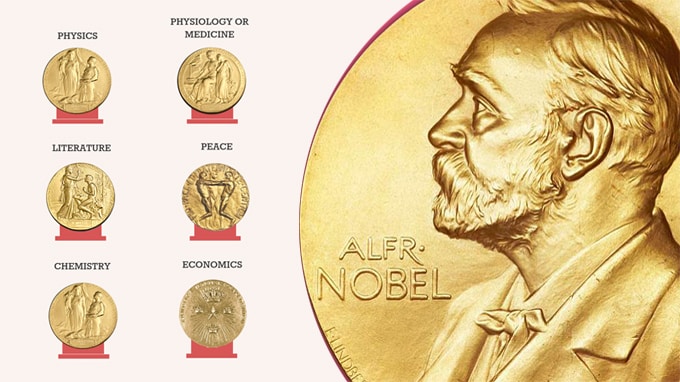
He set up five original prize categories:
Physics
Chemistry
Physiology or Medicine
Literature
Peace
Then, in 1968, the Swedish Central Bank added a sixth: The Nobel Prize in Economic Sciences.
Chapter 2: How Nobel Prizes Work
2.1 The Selection Process
Winning a Nobel isn’t easy. The process is tough and involves several steps.
First, nominations. Only a select group—past laureates, top scholars, professors, scientists, and official organizations—can nominate someone. The public can’t just send in a name.
Next, committees dive deep into each nominee’s work, checking its impact, originality, and real benefit to humanity.
After that, the decision comes from a specific group for each category:
- The Royal Swedish Academy of Sciences (Physics, Chemistry, Economics)
- The Nobel Assembly at Karolinska Institute (Medicine)
- The Swedish Academy (Literature)
- The Norwegian Nobel Committee (Peace)
Every October, the world finds out who won. Winners get their awards on December 10, the anniversary of Nobel’s death.
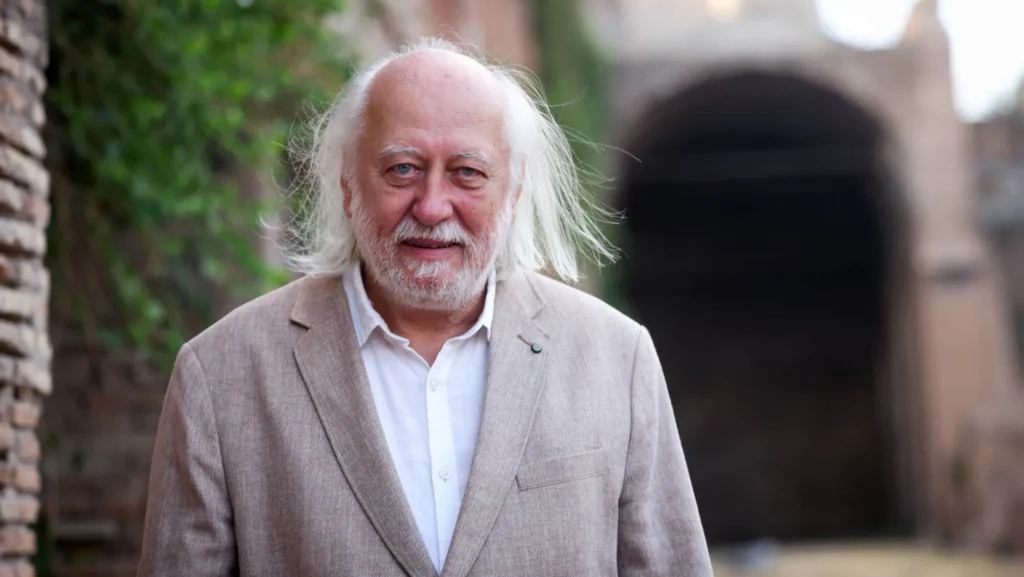
Pic Credit: The Hollywood Reporter
2.2 What Do Winners Get?
Each Nobel laureate walks away with three things: a medal, a diploma, and a cash prize (lately, around $1 million or more).
Chapter 3: Nobel Prize Categories — Full Breakdown
Time to dig into each Nobel category.
CHAPTER 4: Nobel Prize in Physics — Foundation of Scientific Discovery
4.1 What This Prize Honors
The Physics Nobel goes to discoveries that crack open the mysteries of matter, energy, the universe, and the laws of nature. It’s all about breakthroughs that push technology, science, and humanity forward.
4.2 Types of Discoveries Often Awarded
Think quantum physics, particle physics, astrophysics, cosmology, semiconductors, lasers, optics—the big stuff that changes how we see and use the world.
4.3 Why Physics Matters
Physics has given us electricity, computers, lasers, GPS, medical imaging, and made space exploration possible. It’s everywhere.
CHAPTER 5: Nobel Prize in Chemistry — The Science That Shapes Everyday Life
5.1 What Chemistry Nobel Honors
This prize celebrates achievements in molecular science, chemical reactions, materials science, nanotechnology, biochemistry, energy, and the environment.
5.2 Impact of Chemistry
Because of chemistry, we have new medicines, clean energy, better materials, improved food production, and tools to protect the environment.
CHAPTER 6: Nobel Prize in Physiology or Medicine — Life-Saving Discoveries
6.1 Purpose of the Medicine Prize
This one goes to breakthroughs in medical science—discoveries about the human body, disease treatments, vaccines, genetics, and biotechnology.
6.2 Why Medicine Prize Is Crucial
The Medicine Nobel has helped us fight cancer, viruses, bacterial diseases, genetic disorders, and brain conditions. It saves lives.
CHAPTER 7: Nobel Prize in Literature — Celebrating the Power of Words
7.1 What the Literature Nobel Honors
This prize shines a spotlight on novelists, poets, essayists, playwrights, and authors who change how the world thinks.
7.2 Alfred Nobel’s Goal
Nobel wanted to reward writers whose work shows idealism, influence, and real artistic excellence.
7.3 Why Literature Matters Today
Literature shapes cultures, preserves history, influences world events, and inspires the next generation.
Pic Credit: Affairscloud.com
CHAPTER 8: Nobel Peace Prize — The Most Influential Award
8.1 What This Prize Recognizes
The Peace Prize honors people and groups working for peace—whether through activism, diplomacy, human rights, conflict resolution, social justice, or humanitarian work.
8.2 Why It’s Given in Norway, Not Sweden
Nobel trusted Norway’s political system more. He thought it was more neutral and focused on peace.
8.3 Impact of the Peace Prize
Winners like Nelson Mandela, Mother Teresa, Malala Yousafzai, and the UN Peacekeeping Forces have changed the world.
CHAPTER 9: Nobel Prize in Economic Sciences — Understanding the Modern World
9.1 What It Honors
The Economics Nobel goes to economists, researchers, and social scientists who help us understand financial systems, fight poverty, explain market theory, and drive global development.
Pic Credit: BBC
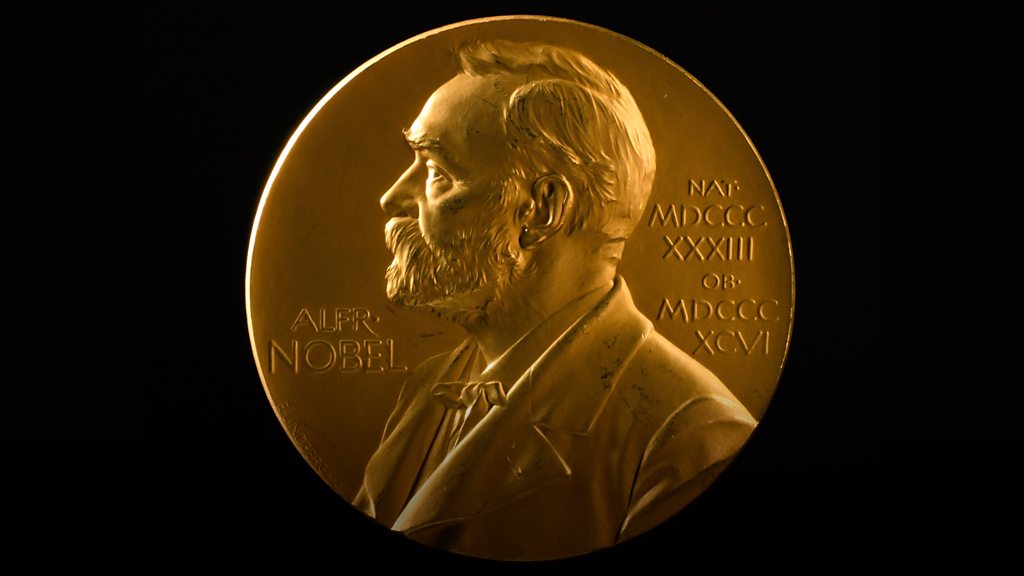
CHAPTER 10: Interesting Facts About the Nobel Prize
Alfred Nobel stayed single his whole life.
They always announce the Peace Prize in Oslo, not Stockholm.
Nobody gets to see the nomination lists until 50 years have passed.
Gandhi got nominated five times, but he never actually won.
Only three people have ever received the award after they died—it almost never happens.
During World War II, someone actually stole the medals just to keep them out of Nazi hands.
About The Author






С недавних пор хотел разобраться с такое, и тут обнаружил здесь у вас
подробный контент:)