Getting the Real Story on Student Loan Resources
Pic Credit: GeeksforGeeks
So, what counts as a student loan resource? Basically, it’s anywhere you get info about student loans—what kinds are out there, how much interest you’ll pay, how to pay them back, if there’s any forgiveness, who can apply, and how the whole process works.
You can find this info all over the place. Sometimes it’s official, like government websites or your school’s financial aid office. Other times, it’s just a blog, a post on social media, or even a friend who’s “been through it.” But let’s be honest—not all sources are created equal.
The Trouble with Bad Student Loan Info
Getting the wrong info about student loans? That’s a recipe for trouble. Choose the wrong loan, and you could end up paying way more in interest than you need to. Miss out on forgiveness programs, fall for scams, or even default on your payments. That stuff sticks with you and can mess with your finances for years.
On the flip side, good information puts you in control. You only borrow what you truly need, you know your rights, and you can make a plan that actually works for you. It helps you dodge unnecessary debt and a lot of headaches down the road.
https://researchguides.ben.edu/source-evaluation
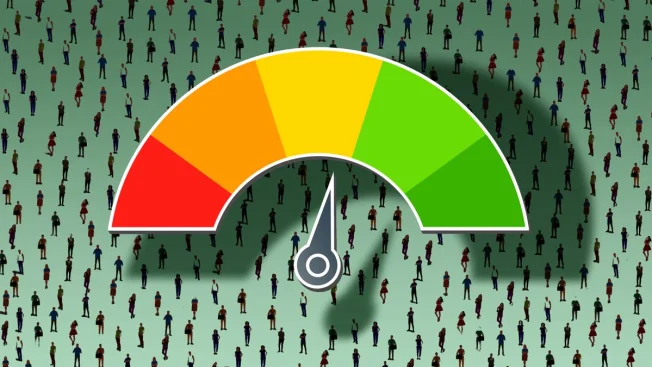
How to Spot a Reliable Student Loan Resource
So, what makes a source trustworthy? Here’s what you want to see:
- It’s Official
If it’s run by the government, your college, or a regulated bank, you’re on much safer ground than some random website or anonymous poster. - It’s Up to Date
Student loan rules change all the time. Reliable sites keep their info current. - It’s Clear
Watch for plain language and no sneaky fine print. - It’s Checkable
You should be able to double-check facts and numbers against official sources. - No Sneaky Sales Pitch
If they’re just sharing info, great. If they’re pushing you to buy something, be careful.
Where to Find Reliable Student Loan Info
Here’s where you should look first:
Government Education Sites
These are run by the people who actually make the rules. You’ll find accurate info about federal loan programs, your rights, how to qualify, what you’ll pay, and ways to get out of debt (like forgiveness or deferment). If you want the facts, start here.
University and College Financial Aid Offices
The folks here know their stuff. They can walk you through forms like the FAFSA, point you to scholarships and grants, and help you figure out your options—tailored to your situation.
Reputable Banks and Official Lenders
Banks and lenders have to follow regulations and spell out the terms. Just remember, they’re still businesses, so they’ll naturally push their own products.
Non-Profit Financial Education Groups
These organizations focus on helping people get smarter about money, not making a buck off you. They’re usually a solid bet for honest, unbiased advice.
Pic Credit: The Financial Brand
Certified Educational Counselors
If you need one-on-one help, certified counselors can break things down for you and help you make a plan that fits.
Where NOT to Get Your Student Loan Advice
Here’s where things start to get sketchy:
Social Media Influencers
Unless they’re actual financial pros (and most aren’t), take their advice with a huge grain of salt. Lots of “loan hacks” or “secret programs” are just empty promises or even scams.
Online Forums and Anonymous Boards
Anyone can post anything. No one checks the facts, and what worked for someone in one state might not work in another. It’s a minefield.
Friends and Family
They mean well, but their advice is based on their own experience, which might be outdated or just plain wrong for you.
Unverified Blogs and Clickbait Sites
If the headline screams “Guaranteed loan forgiveness!” or “Secret loophole!”—run. These sites just want clicks, not to help you.
Paid “Debt Relief” Companies
If someone wants money to “erase” your loans, walk away. Real government programs are free to apply for. Anyone charging you for that is taking advantage of you.
Test Question: Which Resource Should You NOT Trust for Student Loan Info?
If you see this on an exam, go with this answer: social media, online forums, or advice from friends and relatives. They don’t have official info, aren’t always up to date, and can steer you wrong. Stick to the sources that actually know what they’re talking about.
About The Author







1 thought on “Reliable vs Unreliable Student Loan Resources: Which one Fail…”