
Iran Bomb Blast: What Happened and How It Affects Regional Stability
In a world already grappling with geopolitical tensions, the recent Iran bomb blast has added another layer of complexity to an already volatile Middle East. The explosion, which occurred in a strategic region of Iran, has not only raised alarms about national security but also ignited global discussions on its impact on regional stability, diplomacy, and global peace.
In this blog post, we’ll explore the details of the blast, the suspected motives or sources, the local and global reactions, and most importantly, how this event could influence the stability of the Middle East in the months and years to come.
Table of Contents
1. What Happened in Iran? – The Details of the Bomb Blast
When and Where Did It Happen?
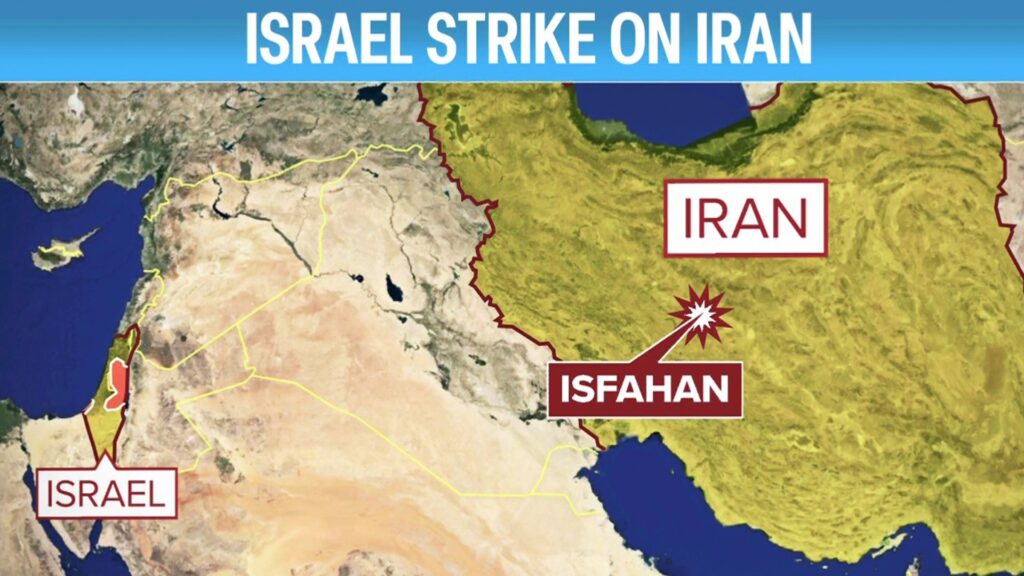
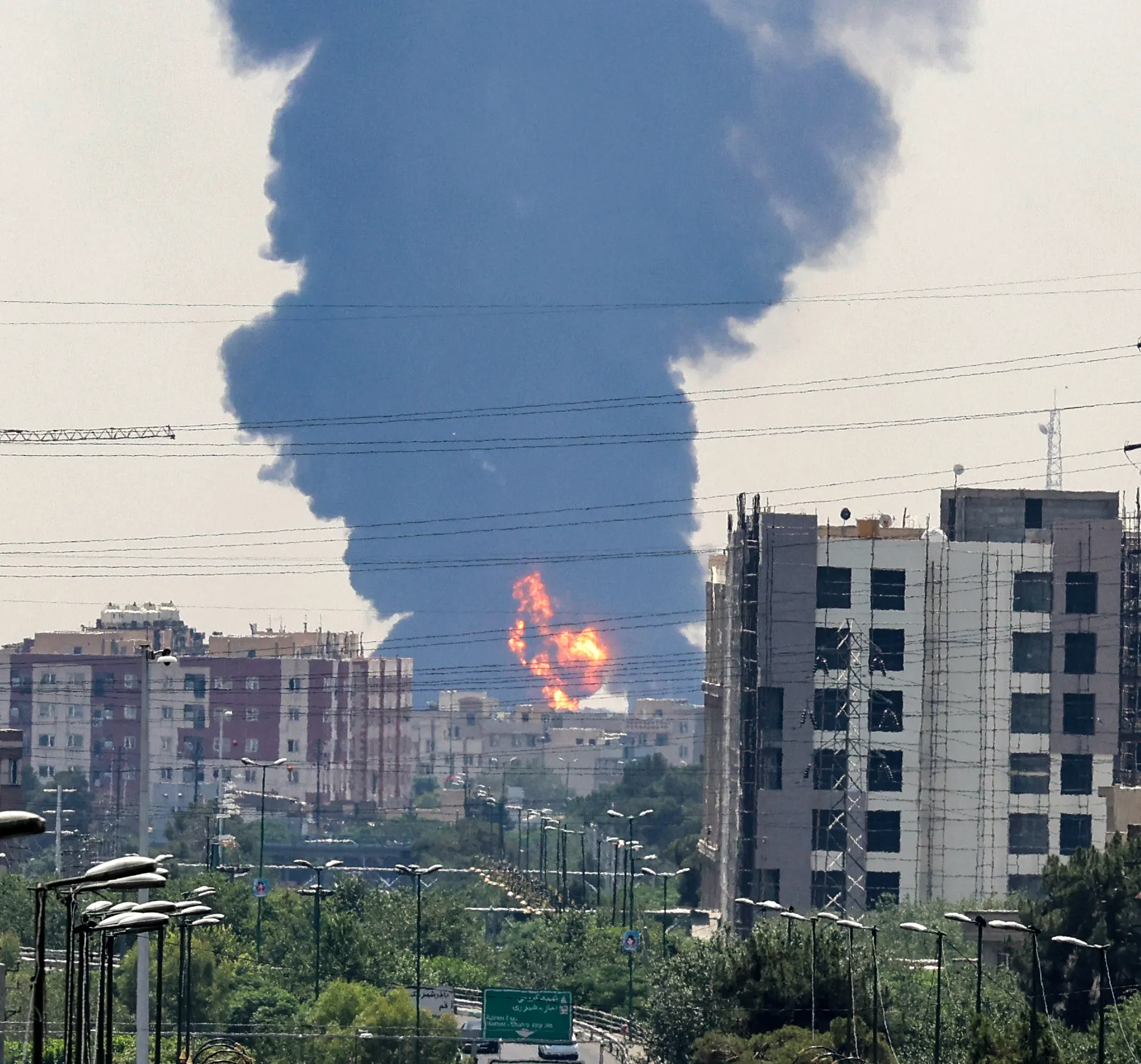
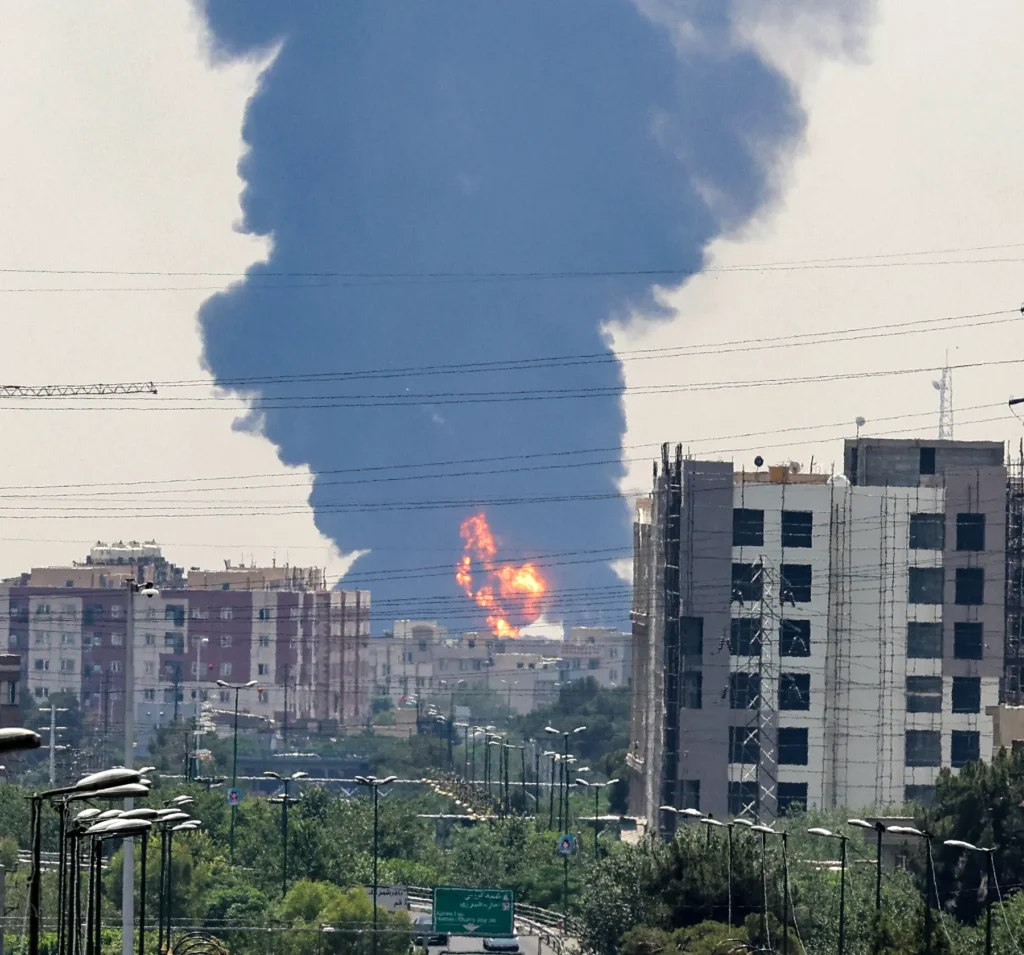
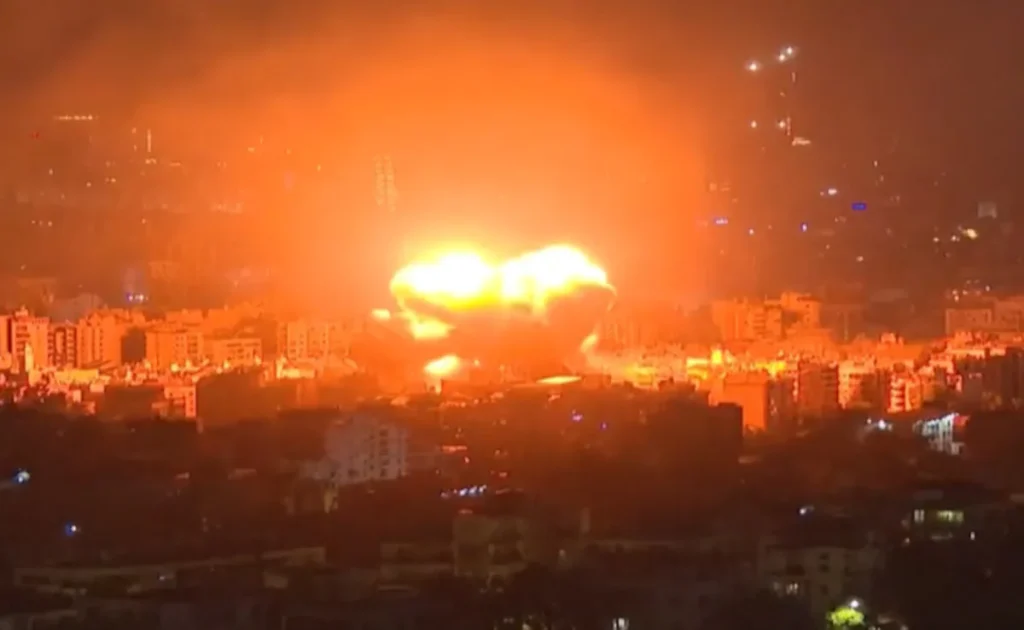
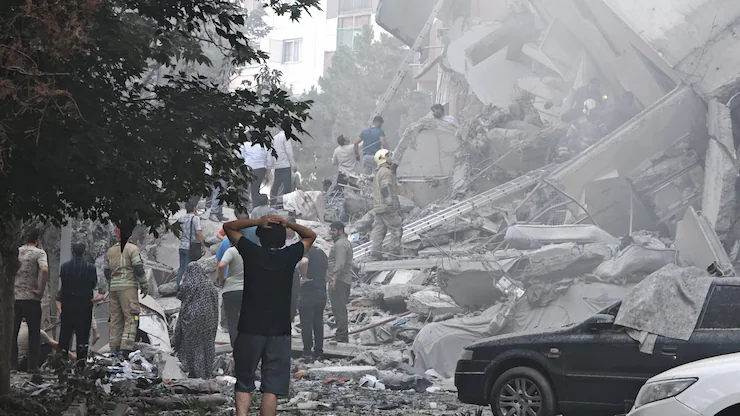
The bomb blast took place on, in the region of Iran. Early reports from local media and international news agencies described a loud explosion, followed by plumes of smoke, civilian panic, and military mobilization.
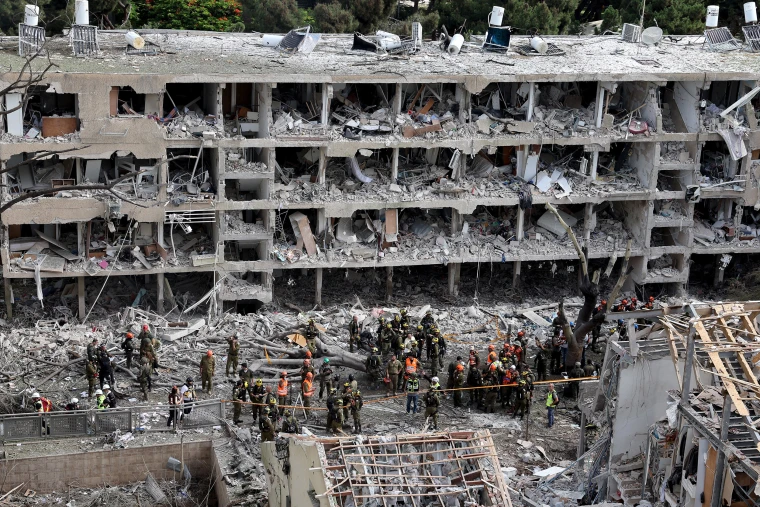
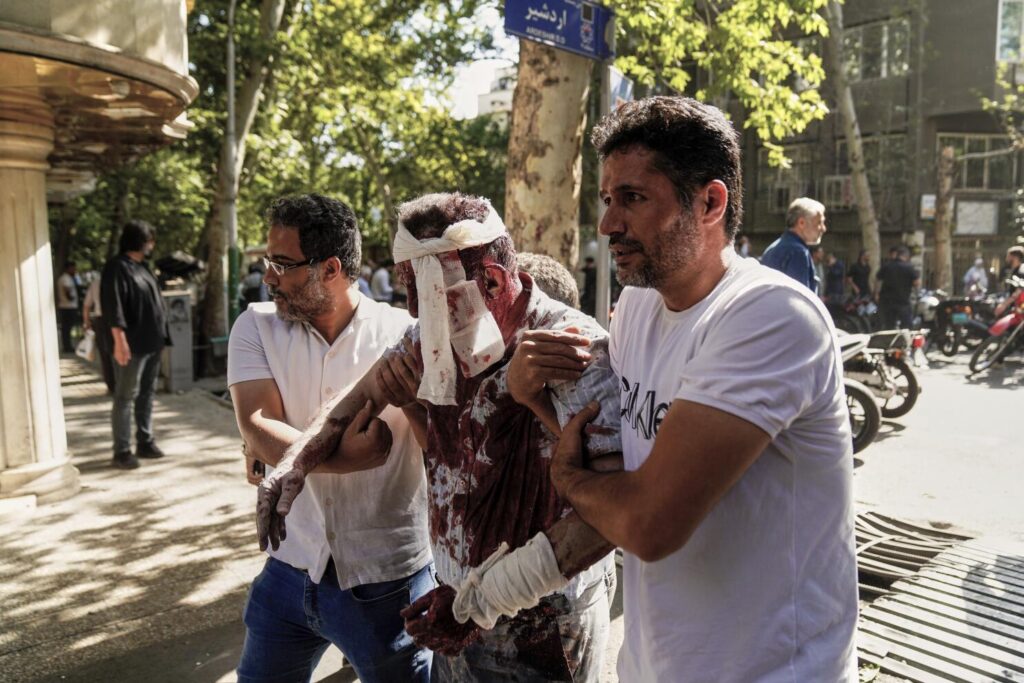
Casualties and Damage
According to Iran’s state media and independent human rights organizations:
- Injured: Over [3500] people sustained injuries.
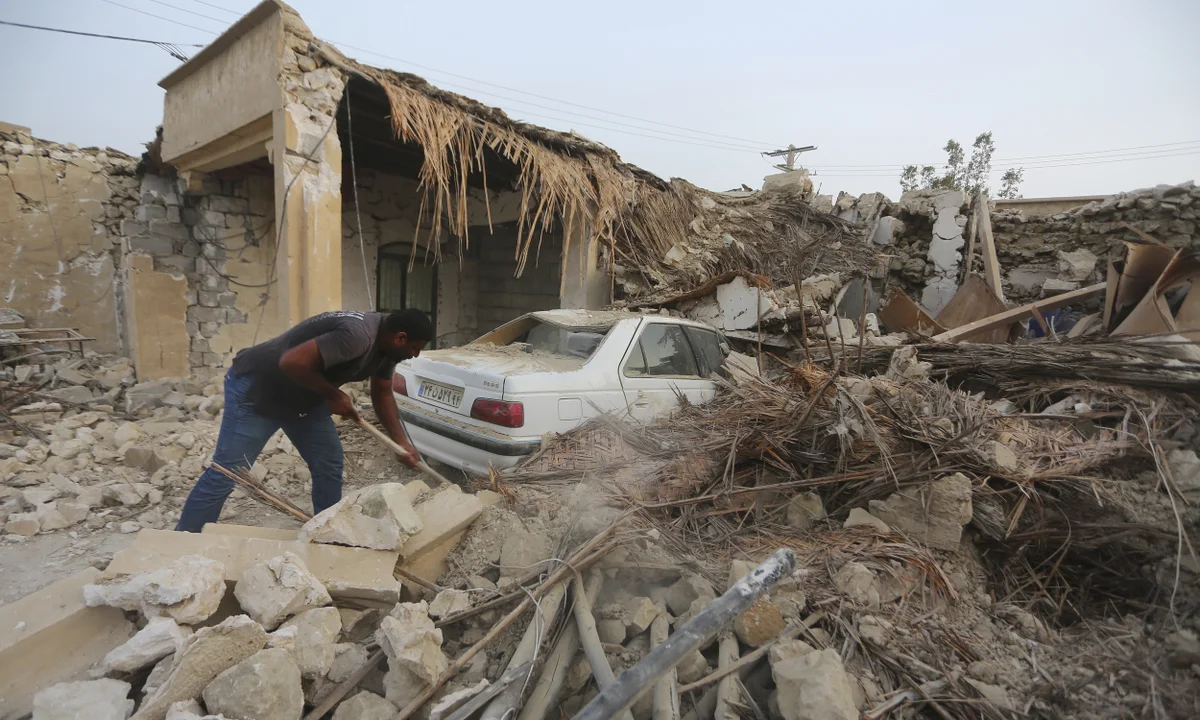
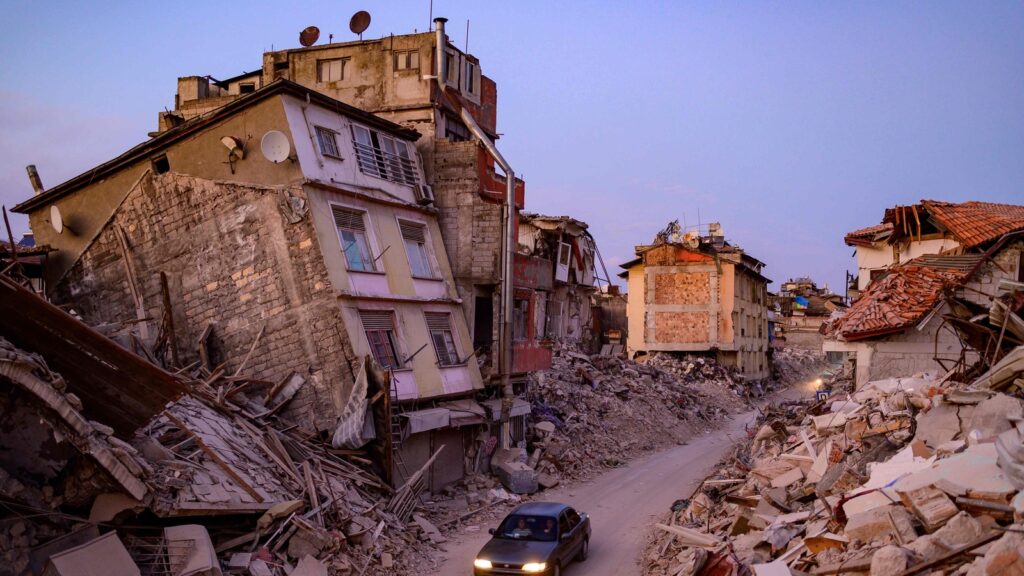
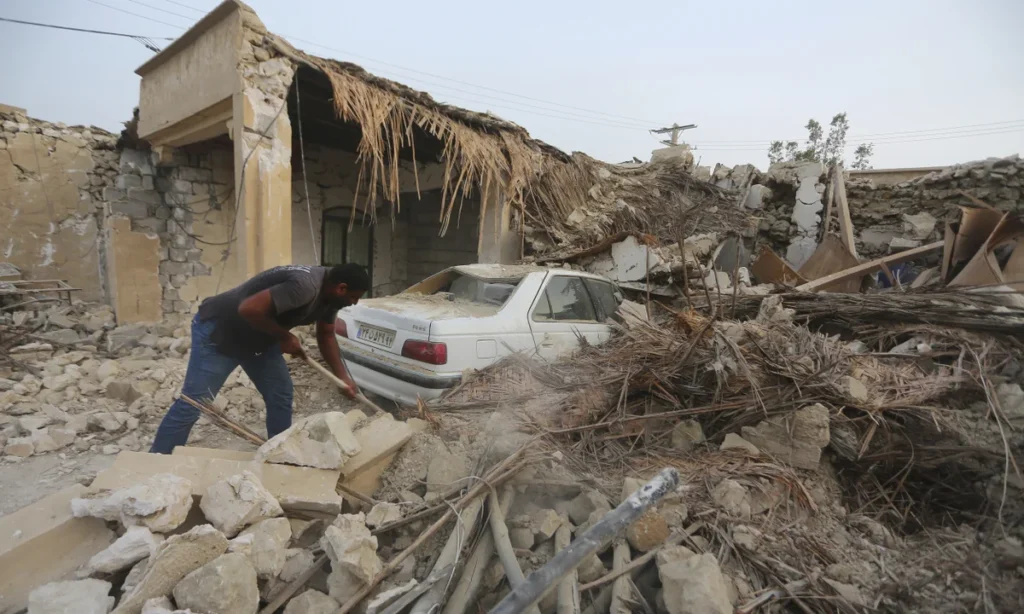
- Property Damage: Residential and military buildings in a [upto 50 km+] kilometer radius were damaged.
Authorities have sealed off the area, and investigations are ongoing.
Initial Reports and Conflicting Accounts
The origin of the blast remains under investigation. However, there are three key theories:
- Internal sabotage involving political factions.
- A foreign drone or missile strike suspected to be from Israel or another hostile nation.
- A terrorist bombing, potentially linked to ISIS or regional insurgent groups.

2. Who Is Responsible? – Theories and Speculations
Iranian Government’s Official Stance
Iranian officials were quick to blame external actors, pointing fingers at:
- Israel, citing previous cyber and physical attacks.
- United States, claiming covert operations.
- Domestic dissidents, especially Kurdish and Baloch separatist groups.
International Intelligence Analysis
Western intelligence agencies have not officially confirmed any responsibility but suggest:
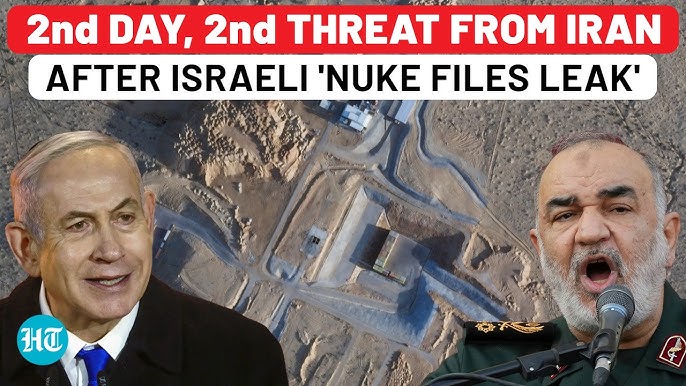
- The blast may have been a response to Iran’s nuclear activities.
- Possible involvement of proxy militia groups supported by other nations.
- A covert operation aimed at destabilizing Iran’s internal defense systems.
Terrorist Group Involvement?
ISIS and other jihadist organizations have been active in Iran’s border regions. Although no group has claimed responsibility yet, this remains a plausible theory.
3. Historical Context: Why Iran Is a Frequent Target
Iran’s Geopolitical Importance
Iran sits at the crossroads of East and West Asia. Its:
- Nuclear ambitions
- Oil reserves
- Strategic alliances (with Russia, Syria, Hezbollah)
make it both a regional power and a target for adversaries.
Past Bombings and Attacks
This is not the first time Iran has witnessed bomb blasts. Some notable events:
- 2011: Explosion at a missile base killed over 30.
- 2020: Natanz nuclear facility attack linked to Israel.
- 2022: Shiraz shrine bombing claimed by ISIS.
Each event has brought Iran closer to conflict or negotiation, depending on the global response.
4. Domestic Impact: Civil Unrest and National Security
Public Reaction and Fear
Following the blast:
- Citizens in nearby cities protested the lack of safety.
- Panic buying of food and fuel was reported.
- Social media was flooded with unverified footage and conspiracy theories.
Government Crackdown
Iran’s military and security forces have:
- Declared a state of high alert.
- Imposed curfews in certain districts.
- Shut down internet access in some provinces.
This has raised concerns about human rights violations and freedom of expression.
5. International Reactions and Diplomatic Fallout
Middle Eastern Countries
- Israel: Neither confirmed nor denied involvement but emphasized the need to stop Iran’s “terror infrastructure”.
- Saudi Arabia: Condemned the blast and called for regional de-escalation.
- Turkey and UAE: Urged restraint and launched their own internal security reviews.
Western Powers
- United States: Called for a transparent investigation and denied direct involvement.
- European Union: Expressed concern over rising tensions and urged for nuclear dialogue.
- Russia and China: Supported Iran’s call for accountability and offered technical help.
UN and Global Organizations
The United Nations called for calm and stressed the importance of avoiding escalation or retaliatory strikes.

6. Economic Consequences: Oil, Trade, and Sanctions
Oil Market Volatility
Iran is a key player in the oil market. Following the blast:
- Oil prices surged by over 5% in 48 hours.
- Traders fear possible supply disruptions.
- Talks of OPEC+ intervention are underway.
Impact on Trade and Foreign Investments
- Foreign companies are re-evaluating projects in Iran.
- The Iranian Rial has seen sharp depreciation.
- Concerns about renewed sanctions are rising.
Global Market Response
- Stock markets dipped slightly.
- Defense stocks, especially in the U.S. and Israel, saw gains.
- Gold prices increased as investors sought safe havens.
7. Military Ramifications: Will There Be Retaliation?
Iran’s Military Options
Iran has a history of responding to perceived threats through:
- Missile strikes on enemy bases.
- Cyber warfare attacks.
- Supporting proxy groups in Iraq, Syria, and Lebanon.
Military leaders have warned of a “strong and calculated response” if evidence confirms foreign involvement.
Risk of War or Broader Conflict
While a full-scale war is unlikely, risks include:
- Skirmishes on Iran-Israel borders (via Lebanon or Syria).
- Disruption of U.S. bases in Iraq.
- Naval tensions in the Strait of Hormuz.
8. Impact on Regional Stability
Middle East Tensions Reignited
The blast comes at a time when:
- Israel-Palestine conflict is already flaring.
- Yemen’s Houthi rebels continue clashing with Saudi-led forces.
- Lebanon and Syria are in economic and political turmoil.
This incident could trigger:
- Increased militarization.
- New proxy wars.
- Collapse of peace talks in progress.
Effect on Iran’s Foreign Policy
Iran might:
- Harden its stance in nuclear negotiations.
- Strengthen ties with Russia and China.
- Retaliate through covert or overt means.

9. Global Consequences: What It Means for the World
Nuclear Deal (JCPOA) in Jeopardy
Talks to revive the Iran nuclear deal were already fragile. The blast could:
- Push Iran to suspend cooperation with IAEA.
- Prompt the U.S. to reimpose or increase sanctions.
- Reduce chances of diplomatic resolution.
Migration and Humanitarian Crisis
An unstable Iran could lead to:
- A new wave of refugees.
- Increased strain on bordering countries like Turkey and Iraq.
- Rise in humanitarian aid needs in the region.
10. What Happens Next? – Future Scenarios
Best Case
- Independent investigation reveals internal accident or isolated group.
- Iran restrains from retaliation.
- Peace talks resume, possibly mediated by neutral countries.
Worst Case
- Evidence links blast to a foreign nation.
- Iran retaliates militarily.
- Regional conflict erupts, dragging multiple countries into hostilities.
Most Likely
- Tensions remain high.
- More cyberattacks, drone strikes, and proxy violence.
- Regional powers strengthen defenses while avoiding open war.

Conclusion
The Iran bomb blast is not just an isolated act of violence — it’s a geopolitical flashpoint with deep implications. From local instability and economic shockwaves to the potential collapse of international diplomacy, the incident has touched every corner of the global order.
As the world waits for answers, one thing is clear: Iran’s next move will be critical in shaping the future of the Middle East. Whether that future involves war, peace, or something in between, depends on the restraint and wisdom of global leaders.










![Megan Thee Stallion - Cobra [Official Video]](https://i.ytimg.com/vi/DOZNRoL0310/hqdefault.jpg)