Can You Watch South Park on Hulu? Full streaming…

Can You Watch South Park on Hulu? Full Streaming Guide

Table of Contents (Kinda)
Intro: Why You Even Need This Guide

What’s South Park, Anyway?

Quick & Dirty History: South Park’s Streaming Rights

Can You Still Watch South Park on Hulu?

Why Did Hulu Lose South Park?

Where to Stream South Park in 2025

HBO Max vs Hulu vs Paramount+—Which One’s Got What?

How to Watch South Park for Free-ish (Legally, Don’t Be Sketchy)

VPNs, Geo-blocks, and the International Struggle

What South Park-Adjacent Stuff Is Still on Hulu?

Top Episodes You Gotta Rewatch

Specials, Movies, and Where to Find ‘Em

Season-by-Season: Who’s Got What?

Is Hulu Even Worth It Without South Park?

Alternatives for Animation Addicts

FAQs (Because Of Course)

Final Thoughts (Spoiler: It’s Complicated)

Bonus: Setting Reminders For New Specials

What Real People Are Saying

How to Watch South Park Without Accidentally Scarring the Kids

Why Shows Like South Park Keep Jumping Platforms

https://r.search.yahoo.com/_ylt=AwrKFYJxbIJoCwIAZxu7HAx.;_ylu=Y29sbwNzZzMEcG9zAzEEdnRpZAMEc2VjA3Ny/RV=2/RE=1754587506/RO=10/RU=https%3a%2f%2fwww.hulu.com%2fseries%2fsouth-park-69ceddec-44ed-4122-af29-d31a7315876d/RK=2/RS=wFnMh1Oe1voUAwvtWnxSXI0ebSw-

So What’s Actually the Best Way to Watch South Park?

  1. Seriously, Can You Still Watch South Park on Hulu?
    Short answer: Nope. Nada. Not anymore, my friend. South Park used to be Hulu’s crown jewel for adult animation marathons, but those days are so over. Streaming rights? A total circus. Everything’s exclusive now.

This guide’s gonna cut through the BS and tell you exactly how to watch South Park in 2025—whether you wanna pay, trial-hop, or go VPN-ninja.

  1. Wait, What’s South Park Again?
    If you need this explained, you might be lost, but here goes: Trey Parker and Matt Stone’s legendary cartoon launched in ’97 and basically roasted everyone and everything, nonstop. Crude, genius, offensive, brilliant… it’s all of it. Cartman, Stan, Kyle, Kenny—those little dudes? Yeah, them.

Quick Stats:
First Aired: August 13, 1997

Seasons: 27 and counting (2025)

Who Owns It: Comedy Central (Paramount Global, if you wanna get corporate)

  1. The Streaming Rights Saga (It’s a Mess)
    South Park’s streaming rights bounce around more than Kenny dies. Here’s the rollercoaster:

2014–2020: Hulu had it all. Bingers, rejoice.

2020: HBO Max dropped half a billion dollars (no joke) and snatched it up.

2022–2024: New “specials” & movies started popping up on Paramount+ only.

2025: Full episodes = HBO Max, but those new movies and weird COVID specials? Paramount+ has ‘em.

No wonder nobody knows where to watch anymore.

  1. Is South Park on Hulu Right Now?
    Nah, man. Hulu lost the battle. Since 2020, South Park’s been chilling on HBO Max, with Paramount+ hogging the new stuff. Hulu’s got some other good cartoons, but South Park? Dead and gone.

Here’s Why:
Hulu’s deal expired.

HBO Max dropped fat stacks for exclusivity.

Paramount+ wanted those new movies to pump their numbers.

  1. Why’d Hulu Lose South Park?
    Money. Plain and simple. Ratings weren’t the problem—competition was. HBO Max threw $500 million at ViacomCBS (now Paramount Global) and said, “ours now.” Paramount, not dumb, kept the movie rights to lure folks to their own streamer.
  2. Where to Watch South Park in 2025 (Actual Info)
    The breakdown:

HBO Max: Got all 27 seasons, every episode. (Still U.S. only unless you VPN it.)

Paramount+: Has the new movies and specials—think “Post COVID,” “Streaming Wars.” Not the full show.

Comedy Central App/Site: Random episodes, but you need a cable login. Yikes.

Hulu: Ghost town for South Park.

YouTube/Prime/Apple: Buy per episode, but that adds up fast.

  1. Comparing Streamers—Who Wins?
    HBO Max
    All the episodes. No ads if you pay more. U.S.-only, though, unless you’re a VPN wizard. Price: About $16/month (ad-free).

Paramount+
All the new movies and “specials.” Doesn’t have the whole series. Price: Around $12/month with Showtime.

Hulu
Great for Family Guy, Bob’s Burgers, American Dad, etc. But South Park? Not happening.

  1. How to Watch For Free (Legit Ways)
    Free trials happen on HBO Max and Paramount+ pretty often.

Comedy Central lets you watch a few episodes if you have cable (lol, who does?).

Don’t go near sketchy streaming sites unless you love malware and pop-ups.

  1. VPNs, International Woes, and Hulu Hacks
    Don’t bother with a VPN for Hulu—South Park isn’t there, even if you trick the system.

If you’re outside the U.S.: Use a VPN for HBO Max or check local platforms (like Crave in Canada, NOW TV in the UK). Sometimes South Park pops up elsewhere, but it’s always a game of whack-a-mole.

  1. What’s Left on Hulu That’s Even Remotely South Park-ish?
    Not much, honestly. But you’ve got Family Guy, Solar Opposites, Bob’s Burgers, and a pile of other adult cartoons to fill the void. Sorry, Cartman fans.

(And if you want more detail on episodes, movies, parental controls, and all that jazz—keep scrolling, but you get the gist. Hulu and South Park? That ship sailed.)

When Is the Next Pokémon Presents? Date, time..

When’s the Next Pokémon Presents? Date, Time & What’s Actually Worth Getting Hyped For

Table of Contents (Because let’s be real, you’ll probably scroll past half of this)

  • So, What the Heck Is Pokémon Presents Anyway?
  • Quick Flashback: Pokémon Presents Through the Years
  • Alright, When’s the Next One? (2025 Edition)
  • Exact Date and Time? Or Just Another Guess?
  • Watching Live: Don’t Miss the Chaos
  • What’s Actually on the Table This Year?
  • New Main Game? Yeah, Everyone’s Talking Gen 10
  • Legends Sequel? Please, Unova or Johto!
  • Black & White Remakes? Fans Are Begging
  • Pokémon GO: More Stuff for Your Phone Battery to Die On
  • Mystery Dungeon Rumors (Again)
  • Detective Pikachu 2: Still Not Solving Anything
  • Spin-Offs, Sleep Apps, and Mobile Weirdness
  • DLCs, Expansion Passes, and the Usual Wallet Drains
  • Anime News, Collabs, Merch Drops, and Trading Card FOMO
  • Wild Theories, Actual Leaks, and Twitter Meltdowns
  • Setting the Stage: Why Last Time Was… Meh?
  • Fans’ Wishlists vs. Reality
  • How to Prep: Snacks, Streams, and Coping Mechanisms
  • Behind the Curtain: Who Even Makes These Things?
  • Top 5 Most Insane Pokémon Presents Moments
  • Pokémon Presents: The Nintendo Hype Machine
  • FAQ: Yes, You Can Set a Reminder
  • Closing Thoughts: Manifesting Gen 5 Remakes
  • TL;DR
  1. So, What the Heck Is Pokémon Presents?
    Think Nintendo Direct, but with way more Pikachu hats. It’s The Pokémon Company’s streaming event where they chuck out trailers, announcements, and just enough new merch to make your wallet weep. Games, anime, cards, mobile apps—if it’s got a ‘mon, it’s here.
  2. Quick Flashback: Pokémon Presents Through the Years
    Started back in 2020—honestly, the timing was perfect. Everyone was stuck at home, staring at their screens anyway. First one? Pokémon Café Mix, Pokémon Smile (remember that?) and New Pokémon Snap. Later, we got heavy hitters like Legends: Arceus, BDSP, Scarlet & Violet, and all sorts of DLC teases. And, yeah, they usually sneak in a surprise or two just when you think it’s over.
  3. Alright, When’s the Next One? (2025 Edition)
    Okay, here’s the scoop: The Pokémon Company loves August. Like, seriously, just look at the past few years. If you wanna mark your calendar, aim for somewhere between August 8th and 15th, 2025. But don’t tattoo it on your arm yet—it’s not official.
Screenshot

https://timesofindia.indiatimes.com/sports/esports/pokemon/pokmon-presents-livestream-2025-date-start-timings-platforms-how-to-watch-what-to-expect-and-more/articleshow/122838796.cms

  • Odds are, we’ll get a 6AM Pacific / 9AM Eastern drop (2PM GMT, 7:30PM IST for non-Americans).

And if you’re feeling impatient, they usually do a February show for Pokémon Day (Feb 27th), plus random mini-events whenever they feel spicy.

  1. Exact Date and Time? Or Just Another Guess?
    Nothing locked in yet. If you’re chasing leaks, you’re not alone—everyone’s refreshing Twitter like maniacs. The only “official” source? Pokémon’s YouTube, website, and their surprisingly meme-heavy Twitter.
  2. Watching Live: Don’t Miss the Chaos
  • YouTube: Pokémon’s official channel, duh.
  • Twitch: They do it here too.
  • Maybe Nintendo Direct’s page, if you’re into simulcasts.
  • Pro tip: Turn on alerts, follow #PokemonPresents, and join a Discord server. Live reactions are half the fun.
  1. What’s Actually on the Table This Year?
    No one knows for sure, but the rumor mill is working overtime. Here’s what’s buzzing:
  • New Mainline Game? Gen 10 teases everywhere, but don’t bet your savings on a 2025 release—maybe just a teaser.
  • Legends Sequel: Arceus was a smash, so a Unova or Johto Legends would break the internet.
  • Gen 5 Remakes: Fans have been screaming for Black & White remakes since BDSP dropped. Will they finally listen? Who knows.
  • Pokémon GO: Expect new events, maybe a weird AR thing, and probably more stuff to make you walk outside.
  • Mystery Dungeon: People are convinced we’re getting a reboot or remake. Hey, if the leaks are true, I’m in.
  • Detective Pikachu 2: Still on the case. Maybe new footage, maybe just another coffee joke.
  • Spin-Offs & Mobile: New puzzle apps? Pokémon Sleep actually expanding? Switch Online getting Stadium updates? All possible.

And there’s always DLC, collabs, anime updates, new cards, and enough merch to bury your bank account.

Honestly, the only guarantee is that people will argue about it online for weeks.

Now, just set a reminder, grab some snacks, and let’s see if they finally give us those damn Gen 5 remakes.

Alaska Airlines Safety Record: Is It One of the safest..

Alaska Airlines Safety Record: Is This Airline Actually as Safe as Everyone Says?

Table of Contents
Intro

A Quick Trip Down Alaska Airlines Memory Lane

What Even Makes an Airline “Safe”?

Alaska’s Safety Ratings & All Those Certifications

Pilot Training: Are These Folks Actually Good?

Planes, Maintenance, and Fleet Stuff

Incidents, Accidents, and the Real Story

How Does Alaska Stack Up Against the Big Dogs?

FAA Oversight—Is Anyone Watching?

COVID & Health Safety Vibes

What Are Actual Passengers Saying?

Awards: Trophies for Safety

Sustainability + Safety: Do They Care About the Planet?

The Culture: What Employees and Experts Spill

Media, Rumors, and What People Think

Alaska Airlines in 2025 and Beyond

So… Should You Trust Them?

  1. Intro
    Let’s get real: When you’re booking a flight, you wanna know you’ll actually land safe and sound, right? Whether you fly all the time or you’re just thinking about leaving your couch for the first time in ages, knowing if your airline’s got a good safety record is kinda important. Alaska Airlines—yeah, that one with the Eskimo on the tail—gets a lot of hype for being super safe. But is it all marketing fluff, or are they actually rock solid?

https://www.airlineratings.com/articles/the-worlds-safest-airlines-for-2025

Time to dig in. I’m talking about their safety record, how they train their people, how they keep those planes running, what real passengers say, and whether or not you should trust them with your precious self. Buckle up.

  1. A Quick Trip Down Alaska Airlines Memory Lane
    Look, before we judge, let’s check their receipts.

How It Started
1932: Just some scrappy bush pilots flying around Alaska as McGee Airways.
1944: They went “official” as Alaska Airlines, spreading out across the state.
Fast forward, suddenly they’re hitting up Seattle, Portland, LA, San Francisco. Big glow-up.

The Big Expansion
Bought Virgin America in 2016, which was kind of a Big Deal.
Now? Over a thousand flights a day, 115+ destinations.
People love ’em for being on time and actually treating passengers like humans.

Safety: The Main Character
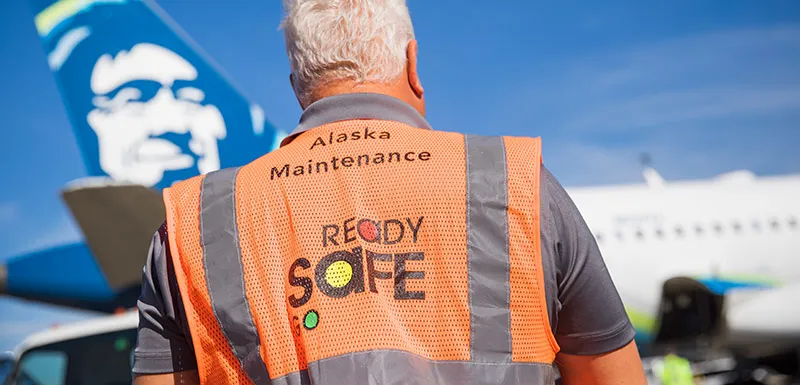
Even as they blew up in size, Alaska kept dumping cash into new tech, pilot training, and maintenance. Not just for looks—safety’s in their DNA.

  1. What Even Makes an Airline “Safe”?
    Okay, let’s not get lost in the weeds. What are we actually looking for here?

The Usual Stuff:

  • Fatal accidents per million flights (the lower, the better, obviously)
  • Following FAA rules (so the government doesn’t lose its mind)
  • Good maintenance record (no duct tape, please)
  • Pilots who know what the heck they’re doing
  • Third-party safety ratings (like AirlineRatings.com and JACDEC)
  • Not injuring passengers (always a plus)
  • Fixing stuff when the FAA tells them to, and not two years later
  1. Alaska’s Safety Ratings & All Those Certifications
    FAA Gold Star
    They’ve got a squeaky-clean FAA record. Regular check-ups, no major drama.

AirlineRatings.com
Full marks: 7 out of 7 for safety.
They’re not just good for a US airline—this is global top-10 material most years.

JACDEC
Consistently in their “top 20 safest airlines” club. Not too shabby.

IOSA
That’s the IATA stamp of approval—basically, a big deal in the airline nerd world.

  1. Pilot Training: Are These Folks Actually Good?
    You want pilots with more than just a cool hat.

The Requirements

  • First officers need at least 1,500 hours in the air (not just playing Flight Simulator at home)
  • Simulator training every 6–12 months—so they don’t forget how to land if things get spicy
  • Regular “Oh crap, what now?” scenario training

Cabin Crew

  • Not just handing out pretzels. They train for fire, medical drama, getting everyone out in a hurry, and security stuff
  • Have to do annual “refresher” courses

Safety Culture

  • Open reporting—if something’s off, they’re encouraged to say so (ASAP program)
  • Crew Resource Management—translation: the pilots and crew actually talk to each other
  1. Planes, Maintenance, and Fleet Stuff
    Fleet Choices
  • Boeing 737s and Embraer 175s. No ancient relics here.
  • Average age: just over 9 years—pretty fresh in airline years

Maintenance

  • All work done at FAA-approved shops
  • They use predictive tech to spot problems before they turn into disasters
  • Daily checks, plus big, deep inspections on the reg (they call ’em A, B, C, D checks, like it’s a report card)
  1. Incidents, Accidents, and the Real Story
    The Bad
  • Alaska Airlines Flight 261 in 2000. Total nightmare: a jackscrew failure took down the plane.
  • After that, they went all-in on fixing maintenance and safety checks.

The Good

  • Since 2000? Not a single fatal crash.
  • Beefed up maintenance, adopted every NTSB suggestion like the teacher’s pet they needed to be.
  1. How Does Alaska Stack Up Against the Big Dogs?
    Here’s a peek at the scoreboard (not boring, I promise):
AirlineSafety RatingLast Fatal CrashAvg Fleet Age
Alaska7/720009.3 years
Delta7/719851

“Why Do Veins Look Blue? The Science behind blood…

Why Do Veins Look Blue? The Real Story Behind That Weird Color Trick

Table of Contents (Honestly, who actually reads these? But here ya go)

  • Wait, Blood Isn’t Really Blue?
  • Why the Heck Do Veins Look Blue, Then?
  • Light’s Got Tricks: How Your Eyes Get Fooled
  • Skin: More Than Just a Cover
  • Blue Blood? Royalty Wishes
  • The Science-y Bits: Light Bounces & Scatters
  • Skin Tones and Vein “Fashion”
  • Why Don’t You See Blue Arteries?
  • (And more stuff you never thought you’d care about)
  1. Introduction
    Ever just stare at your arms during a boring meeting and notice all those blueish lines? If blood is red (and it is—unless you’re some kind of lizard person), why do veins look blue? People have been scratching their heads about this forever. The answer? Oh man, it’s a messy mashup of biology, physics, and good old human eyeball trickery.

Let’s get into what’s really going on—and, sorry, you’re not secretly a royal with fancy blue blood.
https://www.sciencefocus.com/the-human-body/why-do-our-veins-look-blue

  1. Wait, Blood Isn’t Really Blue?
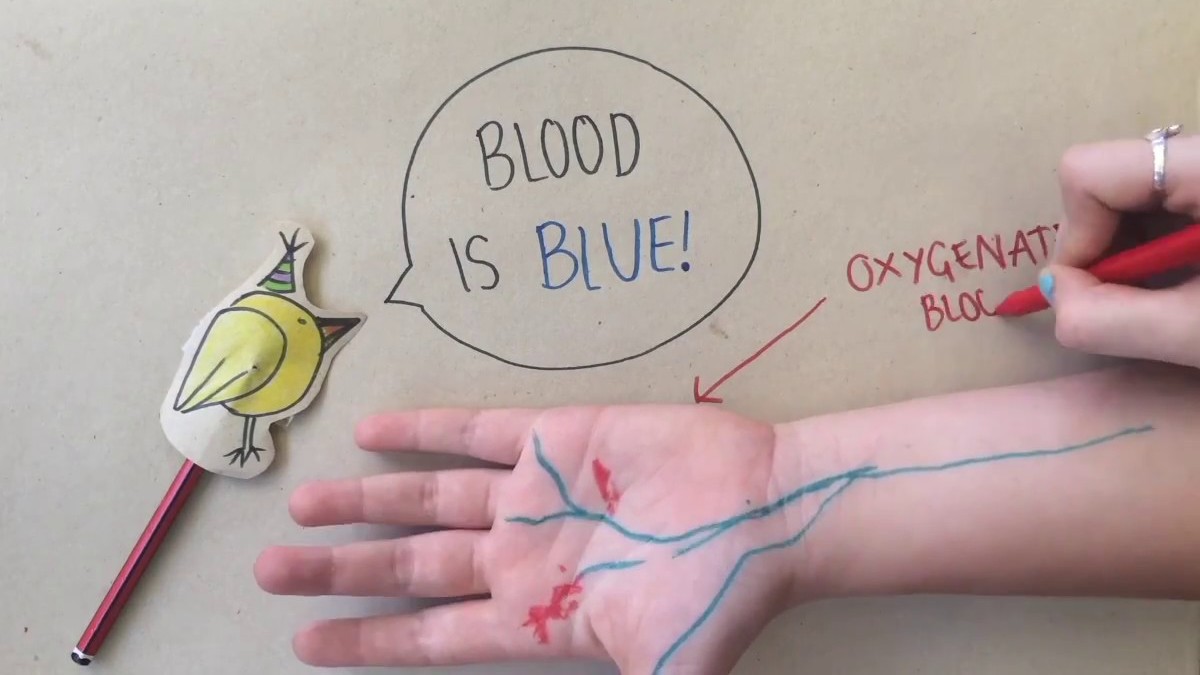
    Let’s kill this myth right out the gate: your blood is always red. Yeah, even the “used” stuff coming back from your body (that’s called venous blood)—it just looks darker, like if you left ketchup out overnight. Still red though.

Oxygen-rich blood = cherry red.
Oxygen-poor blood = dark maroon, maybe “goth red.”
But blue? Nah.

  1. Why the Heck Do Veins Look Blue, Then?
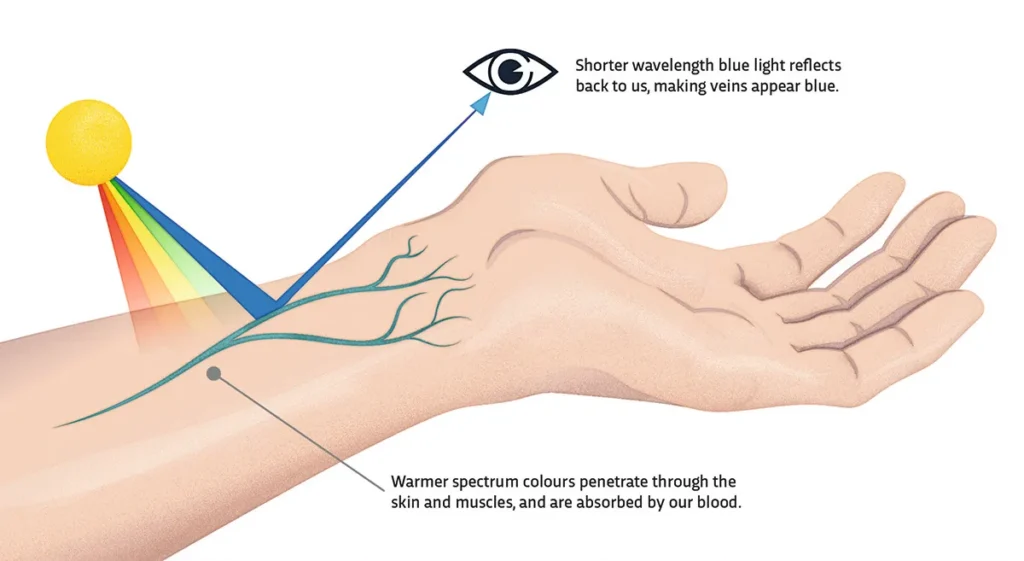
    So why do those lines under your skin look like they belong on a subway map? It’s all about how light hits your skin and bounces around. Red light dives deeper, blue light gets bounced back up. The result: your eyes pick up more blue than red after it’s all jumbled through skin and tissue. It’s honestly just a weird optical illusion.
  2. Light’s Got Tricks: How Your Eyes Get Fooled
    Here’s the deal—white light (that’s sunlight or your phone flashlight) is made of all the rainbow colors. When it hits your arm, the skin sucks up some colors, bounces others. Red light? It’s a deep diver. Blue light? Kinda lazy, bounces back early. So you’re seeing the “leftovers” after your skin does its magic trick.

You’re not seeing the blood color directly at all—it’s like looking at a pool and guessing the water color based on the tiles.

  1. Skin: More Than Just a Cover
    Skin isn’t just there to keep your guts in. It actually changes how veins look. Lighter skin? Veins show up blue or green, almost like a roadmap. Darker skin? They might look brownish, greenish, or just kind of invisible.

Kids and old folks—thin skin club—get extra visible veins. The rest of us? Just depends on how much padding you’ve got.

  1. Blue Blood? Royalty Wishes
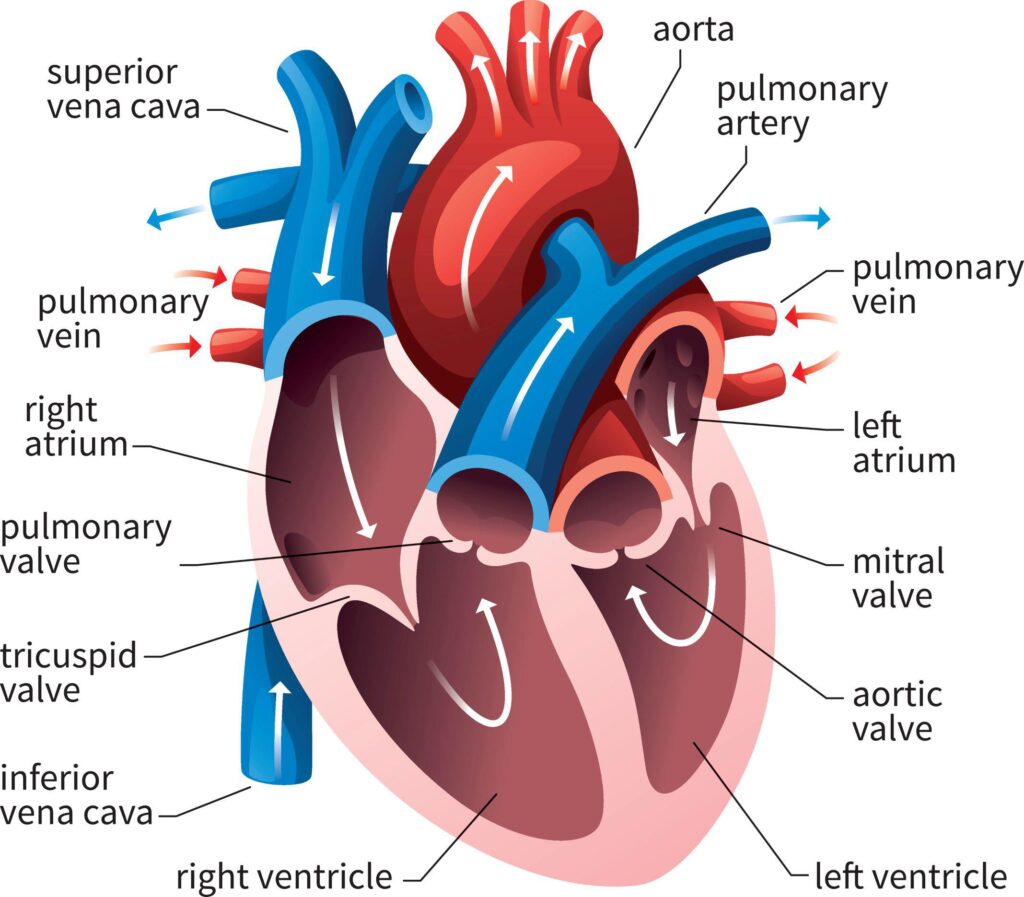
    Old story: “Blue blood” meant you were fancy, probably because your pale skin made veins pop. But no, your blood’s not blue unless you’re a horseshoe crab. And those textbook diagrams with the blue and red? Just for contrast—don’t let them fool you.
  2. The Science-y Bits: Light Bounces & Scatters
    Okay, quick nerd moment: Rayleigh scattering. It’s why the sky’s blue. Blue light gets scattered all over the place, both in the air and, yes, in your skin. Red light? Again, deep diver. So, the blue stuff’s what your eyes catch coming back out, even though the blood underneath is still rockin’ that red.
  3. Skin Tones and Vein “Fashion”
    Darker skin = more melanin, which means more light gets absorbed, so veins might look green, brown, or not show up at all. Same anatomy underneath, just different “filter” on top.
  4. Why Don’t You See Blue Arteries?
    Arteries are like the introverts of the circulatory system—hiding out deeper, surrounded by more tissue, under higher pressure. So you don’t see them, and you don’t care what color they are. Outta sight, outta mind.

And that’s the gist—your veins aren’t blue, your eyes are just getting punk’d by physics. Pretty cool, right? Or maybe you’re just still bored at that meeting. Either way, now you know.

Can Dogs Be Infected by West Nile Virus? complete…

  1. Introduction
    Alright, let’s get real—your dog isn’t just “the pet.” They’re the four-legged goofball who makes your day and probably has better taste in snacks than you do. So when you hear about West Nile Virus (WNV) and all the scary headlines, you wanna know: should you freak out? Can dogs actually catch this thing? Short version: yeah, it’s possible, but don’t panic just yet.

This guide? It’s the no-nonsense, straight-up info you need about West Nile Virus and your dog—how it spreads, what the symptoms look like, what you’re supposed to do, and how to keep your pup safe when the mosquitoes come out to party.

  1. What Even Is West Nile Virus?
    West Nile Virus is one of those nasty little bugs you wish would just stay in a lab somewhere. Technically, it’s a flavivirus (don’t worry, you’re not expected to remember that for trivia night), and it can jump between animals and humans. Started out in Uganda back in the day—1937, to be exact. Now it’s basically everywhere, especially in the U.S. (first popped up in New York in ‘99—thanks, mosquitoes).

https://www.petmd.com/dog/conditions/infectious-parasitic/west-nile-virus-dogs

Quick and dirty facts:

  • Birds are the main “bad guys”—crows, jays, sparrows, you name it.
  • Mosquitoes do the dirty work, mostly the Culex crew.
  • Humans, dogs, horses—they’re “dead-end hosts.” Basically, we catch it, but we don’t pass it on.
  1. How Does WNV Spread?
    It’s all about mosquitoes. They bite an infected bird, then buzz off looking for their next meal (which could be you or your dog). Dogs who love hanging out in the backyard or near ponds? Yeah, they’re fair game.
  2. So, Wait—Can Dogs Actually Get West Nile?
    Yup, they can. But here’s the twist: most dogs don’t even get sick from it. Their bodies usually kick the virus’s butt before anyone notices. Some studies show dogs have antibodies, which means they’ve seen the virus—but didn’t get knocked out by it. Most of the time, you won’t even know it happened.
  3. Documented Cases in Dogs
    They’re rare, honestly. Scientists have found dogs with antibodies in mosquito-heavy areas, but real, “oh wow, my dog is super sick” cases? Not many. If it does happen, it’s usually in dogs with weak immune systems.
  4. How Do Dogs Get Exposed?
    Mostly, it’s mosquito bites. That’s the classic route.
    Rarely, dogs might get it from other infected animals, or—this one’s gross—from eating a sick bird. Not common, but hey, dogs eat weird stuff.
  5. What Does West Nile Look Like in Dogs?
    Here’s the thing—most dogs never show symptoms. But if they do, here’s what you might see:
  • Fever (not just “it’s hot out”)
  • Acting super tired or lazy
  • Weakness, maybe stumbling around
  • No interest in food (that’s always a red flag, right?)
  • Muscle tremors
  • Trouble walking or standing up
  • Confused, disoriented
  • Seizures (this is when you really need to call the vet, no joke)
  1. How Long Before You See Symptoms?
    Usually, it’s 2-14 days after your dog gets bitten. But honestly, most pups never show anything at all.
  2. When Should You Call the Vet?
    If your dog suddenly can’t walk straight, starts having seizures, or just seems “off” in a way you can’t explain, and you live where West Nile is a thing? Don’t wait—just call your vet. Better safe than sorry.

(And if you’re still reading, you’re already a way better dog parent than most. Gold star.)

Lituya Bay 1958: What Triggered the Most Powerful Tsunami…

Alright, let’s shake off the textbook vibes and get into it:

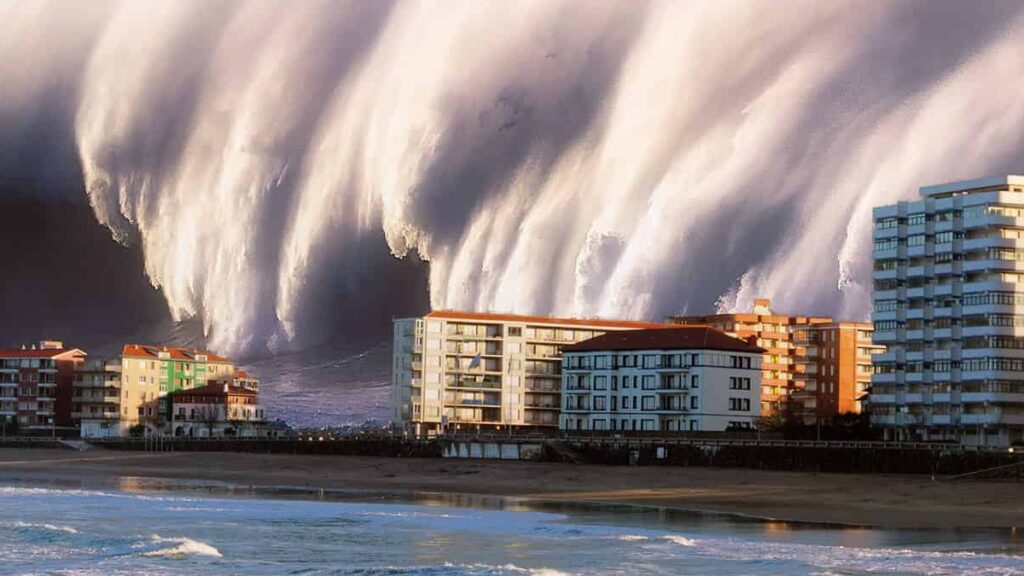
So, picture this: 1958, Lituya Bay, Alaska—middle of nowhere, right? But then, boom. This sleepy little fjord gets absolutely rocked by the biggest freakin’ wave anyone’s ever seen. We’re talking a monster—like, wave-so-tall-it-would-dwarf-the-Empire-State-Building kind of big. People still call it the most powerful tsunami in modern times, and honestly, it’s tough to argue with that. Nothing else even comes close.

https://science.howstuffworks.com/nature/natural-disasters/largest-tsunami-ever-recorded.htm

But where’s Lituya Bay, anyway? It’s tucked way up in southeast Alaska, surrounded by mountains and glaciers. Not exactly prime vacation real estate, unless you’re into grizzly bears. The place sits right on the Fairweather Fault—think of it as Alaska’s personal earthquake vending machine.

Let’s rewind to the night of July 9, 1958. Everything’s chill until right before midnight, when the ground decides to throw a tantrum—a magnitude 7.8 earthquake. That’s huge. People on boats in the bay felt the water move before they even heard the rumble. Next thing you know, a chunk of mountain the size of a city block just peels off and crashes into the water. And that’s what kicks off the insanity.

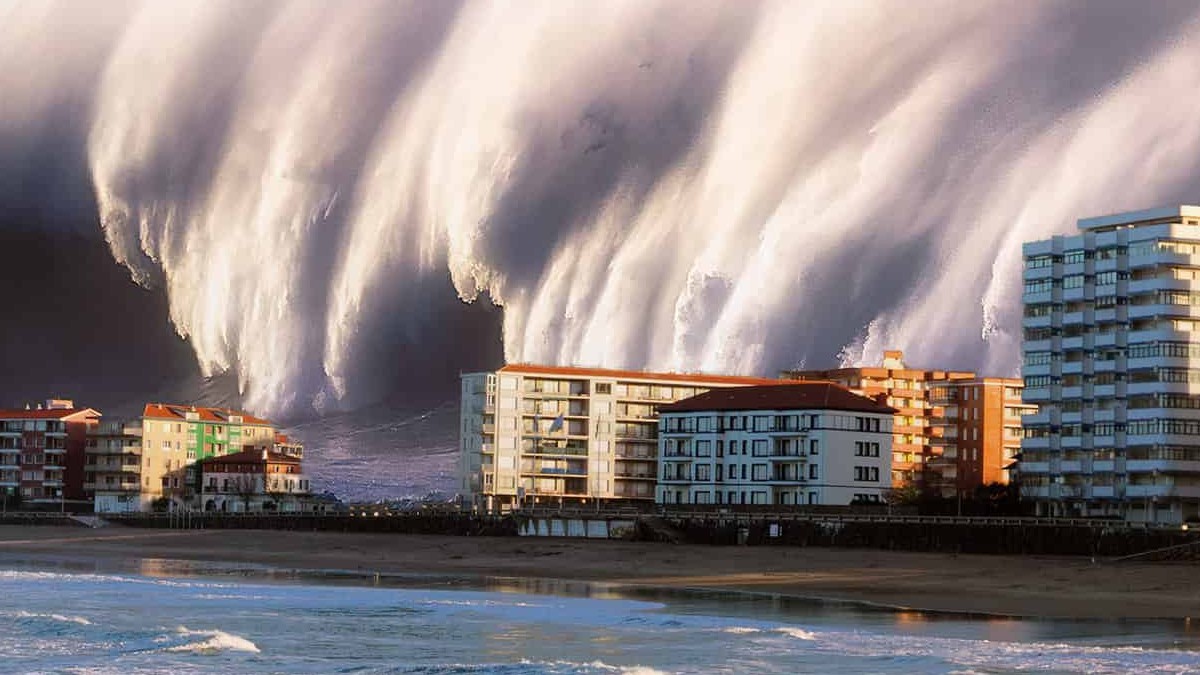
So, imagine a rockfall so massive that it basically dropkicks millions of tons of earth straight into the bay. The impact? It launches a wave 1,720 feet high. No, that’s not a typo. One. Thousand. Seven. Hundred. Twenty. Feet. If you’re trying to picture it, just stack five Statues of Liberty on top of each other. Still not high enough.

How does this compare to other tsunamis? Not even in the same league. Most tsunamis are big, sure, but they’re nothing like this. Most waves barely get to the height of a two-story house. This thing was a skyscraper made of water.

A big reason it was so nuts? Gilbert Inlet. The geography there is basically a natural shotgun barrel. The landslide funneled all that energy into one spot, and the wave had nowhere to go but up—and then out. It wiped the forest clean off the hillside, like someone took a giant eraser to the landscape.

Let’s talk survivors. Howard Ulrich and his son were on a boat that night. He saw the mountain collapse, watched a wall of water charge his way, and somehow—seriously, how?—rode it out. His boat got tossed around like a bath toy, but he lived to tell the tale. Others, not so lucky. Boats were torn to splinters or just vanished.

Scientists went wild over this. Geological surveys, all sorts of nerdy number crunching, and now they’re even using satellites and 3D models to piece together what really happened. Turns out, it wasn’t just the quake or just the landslide—it was this perfect, awful combo.

Could it happen again? Well, yeah, technically. The fault’s still there, the mountains are still crumbling, and scientists are watching. But there’s better monitoring now, so maybe we’d get a heads-up. Or maybe not. Nature loves surprises.

Here’s the thing that makes Lituya Bay’s tsunami so weird: it didn’t cross the ocean and wipe out distant cities. It was like a sniper shot, crazy high but super local. That’s why scientists call it a “mega-tsunami”—a whole different beast from your standard earthquake-triggered waves.

After the dust settled, the bay was changed forever. Trees gone, new scars on the land, and people suddenly a whole lot more interested in what’s going on with Alaska’s geology. It woke folks up. Now, there’s more focus on monitoring, education, and making sure we’re not totally blindsided next time.

And of course, Lituya Bay’s wave is now a legend. It pops up in documentaries, books, and all sorts of “did you know?” lists. Scientists love it, disaster junkies are obsessed, and it’s the gold standard for mega-tsunami talk.

What’s the difference between a regular tsunami and this monster? Normal tsunamis are usually triggered by undersea quakes, and they spread across the ocean. Mega-tsunamis are local, caused by massive chunks of earth slamming into water. Other places have seen similar stuff—Lake Geneva in 563 AD, or that bonkers wave in Greenland in 2017—but Lituya Bay is the boss.

So, what’s the takeaway here? Be ready. Nature’s not messing around. Build smart, watch the warning signs, and maybe don’t park your boat under a crumbling glacier. Lituya Bay’s still teaching us about what happens when land, water, and tectonic fury all get together for a midnight party.

And honestly, even after all the science, there’s still a little mystery left in Lituya Bay. That wave? It’s got a legacy—and it’s not done making us wonder.

How Many Calories in a Hot Dog? Full Nutrition Breakdown…

How Many Calories in a Hot Dog? The (Actually Honest) Breakdown

Hot dogs. Yeah, they’re the MVP at every backyard BBQ and the unsung hero of every baseball game snack lineup. But, real talk—how many calories are you inhaling every time you wolf one down? And does it even matter if you’re going classic beef, vegan, or just loading it up with every condiment known to man?

https://www.usatoday.com/story/life/health-wellness/2023/06/30/how-many-calories-in-a-hot-dog-buns-ketchup-and-mustard-facts/70331178007/#:~:text=The%20average%20hot%20dog%20contains,11%20grams%20and%20480%20mg.

Buckle up. We’re about to get into the nitty-gritty of hot dog calories—beef, pork, vegan, chili-cheese gut-busters, the whole crew. By the end, you’ll know exactly what’s going on in that bun so you can eat ‘em smarter… or at least know what you’re getting into.

Table of Contents? Eh, let’s wing it. Here’s what’s coming:

  • Why Should You Even Care About Hot Dog Calories?
  • The “Average” Hot Dog (spoiler: there’s no such thing)
  • Calories by Meat (or Plant) Type
  • Bun Breakdown—Yeah, It Counts
  • Condiments and Toppings (where things get wild)
  • Brand Showdown
  • Combo Meals: Chips, Fries, Soda, Oh My
  • Cooking Methods: Grill, Boil, Fry, Regret
  • Are Hot Dogs Healthy…? (Do you really wanna know?)
  • Smart Swaps & Diet Tips
  • Regional Dog Styles (Chicago, NYC, etc.—yes, those matter)
  • How to Burn Off That Dog (hint: hope you like jogging)
  • FAQS, Myths, and Final Thoughts

Let’s go.

Why Even Bother Counting Hot Dog Calories?
Look, hot dogs look simple—meat tube, bread, go. But nutrition-wise? It’s a circus. Maybe you’re counting calories, maybe you’re just nosy. Either way, if you wanna keep your dad bod at bay or rock that summer bod, it helps to know what’s up.

And don’t even get me started on all these diets—keto, paleo, whatever Gwyneth Paltrow’s pushing this week. People are reading labels now. Hot dogs? They can be a calorie landmine.

The “Average” Hot Dog (Whatever That Means)
Let’s set a baseline. If you grab a standard beef frank (nothing fancy, no bun, no ketchup smiley face), you’re looking at:

  • Calories: 150-190
  • Protein: 5-7g
  • Fat: 13-17g
  • Carbs: 1-2g

But who eats it naked? Toss in a classic white bun and squirt of ketchup and mustard, and you’re staring down 325 calories. Not exactly rabbit food.

Example Breakdown:

  • Beef hot dog: 180
  • White bun: 120
  • Ketchup (tablespoon): 20
  • Mustard (teaspoon): 5
    TOTAL: 325

Calories by Type: Not All Meat (or Plants) Are Equal

  • Beef: 180-200 (Nathan’s, Hebrew National, Oscar Mayer—basically the heavy hitters)
  • Pork: 160-180 (fattier, real talk)
  • Chicken: 110-130 (lean machine)
  • Turkey: 100-140 (health nut special)
  • Vegan/Vegetarian: 90-120 (plant squad, tofu, pea protein, etc)

Bun Calories: The Sneaky Culprit
Don’t sleep on the bun. It’s not just a meat holder, it’s a calorie trap.

  • White bun: 120
  • Whole wheat: 130
  • Gluten-free: 150
  • Brioche: 180-200 (fancy but dangerous)
  • Lettuce wrap: 5 (if you wanna feel sad)

Condiments: The Good, The Bad, The Creamy
Some won’t hurt. Others? Yikes.

  • Ketchup (1 tbsp): 20
  • Mustard (1 tsp): 5
  • Relish (1 tbsp): 15
  • Mayo (1 tbsp): 90 (it’s basically fat in a jar)
  • BBQ sauce (1 tbsp): 30-45
  • Hot sauce (1 tsp): 0-5 (go wild)

Toppings: Where Regret Lives
You wanna make it a chili cheese dog? Go ahead, but don’t pretend you didn’t know.

  • Shredded cheddar (1/4 cup): 110
  • Chili (no beans, 1/4 cup): 150
  • Bacon bits (1 tbsp): 50
  • Sauerkraut (1 tbsp): 5
  • Jalapeños (1 tbsp): 5
  • Grilled onions (1 tbsp): 30

P.S. – Chili cheese dog? Easily 500-600 calories. Don’t say I didn’t warn you.

Brand Showdown: Who’s Counting?

  • Hebrew National, Beef: 150
  • Nathan’s Famous, Beef: 180
  • Oscar Mayer Classic, Beef: 130
  • Applegate, Turkey: 100
  • Field Roast, Vegan: 110
  • Tofurky, Vegan: 90

Hot Dog Combos: The Real Calorie Bomb
Because just one dog is for quitters.

  • Hot dog meal (dog + sides + drink): 700-1200 (yep, that escalated quickly)
  • Chips (small bag): 150-200
  • Fries (medium): 350-400
  • Soda (12 oz): 140

Cooking Method: Grill, Boil, Fry, Repeat
How you cook it can change the numbers a bit.

  • Grilled: A bit less fat since some drips off (yay?)
  • Boiled: Less fat, but also less flavor (meh)
  • Pan-fried: More fat or oil, so yeah, more calories
  • Deep-fried (corn dog style): Add 100-200, and maybe some regrets

Nutritional Breakdown: Fat, Protein, Carbs, Sodium
(And that’s just the beginning, pal)

I could keep going, but you get the idea. Hot dogs are sneaky little calorie grenades. But hey, life’s short—eat the dog, just maybe not every day. Or, you know, at least own it when you do.

How Many Lakes Are in Texas? Full List and surprising…

How Many Lakes Are in Texas? Full List and Surprising Facts

Table of Contents:

  • Intro
  • What Counts as a Lake in Texas, Anyway?
  • Natural vs Man-Made Lakes (Yeah, There’s a Plot Twist)
  • So, How Many Lakes Are We Actually Talking About?
  • The Big Boys: Texas’ Largest Lakes
  • Teeny Tiny Lakes Texas Still Likes to Brag About
  • Top 20 Most Popular Splash Zones (Aka Lakes)
  • Lakes by Region—Because Texas is Huge
  • Secret, Hidden, or Just Weird Lakes
  • Texas History… But Make it Wet
  • Lakes & Money: The Economic Scoop
  • Green Stuff: Environmental Impact
  • The Critters: Lakes & Wildlife in Texas
  • Fishing (AKA, The Real Texas National Pastime)
  • Boating, Swimming, Water Shenanigans
  • Camping & Lakeside Resorts
  • Drought Drama & Water Levels
  • Reservoirs vs. OG Lakes
  • Freshwater vs. “Wait, Is This Salty?” Lakes
  • Lakes Near the Big Cities
  • Instagrammable Lakes (Photographers, Assemble)
  • Texas State Parks With Lakes
  • Where’s All This Water Coming From? (Major Rivers)
  • Are Texans Still Building New Lakes?
  • The Future: Water Storage & Lake Projects
  • Fun Facts to Annoy Your Friends With
  • Wild, Wacky Lake Names
  • Ghost Lakes (Cue Spooky Music)
  • Texas Lakes in Pop Culture
  • Wrap-Up: Why Texans Love Their Lakes
  1. Intro
    Everything’s bigger in Texas. Even the lakes. You drive across this state and you basically trip over a new body of water every few miles—some are so huge they look like inland seas, others are so tiny you could skip a stone clear across. Whether you’re into fishing, wakeboarding, snapping photos, or just floating around with a cold drink, Texas is loaded with watery playgrounds. But, seriously—how many lakes are there in Texas? Let’s go down the rabbit hole.
  2. What Counts as a Lake in Texas, Anyway?
    So, what’s a “lake” around here? Honestly, it depends who you ask. Most folks picture a big, blue, splashy thing you can drive a boat across. Officially, a lake is a chunk of water bigger than your average pond, made by nature or humans, usually fed by rivers, springs, or just Texas-size rain dumps. Here’s the kicker though—Texas counts man-made reservoirs as lakes. So our numbers? Way higher than states that only count the natural ones.

Real Talk:

  • Natural Lake: Mother Nature did all the heavy lifting.
  • Reservoir: Texans put up a dam and—boom—new lake.
  • Stock Tanks/Ponds: Small-time stuff for cows and crops. Not really “lakes” in the state’s eyes.
  1. Natural vs Man-Made Lakes in Texas (Prepare to Be Shocked)
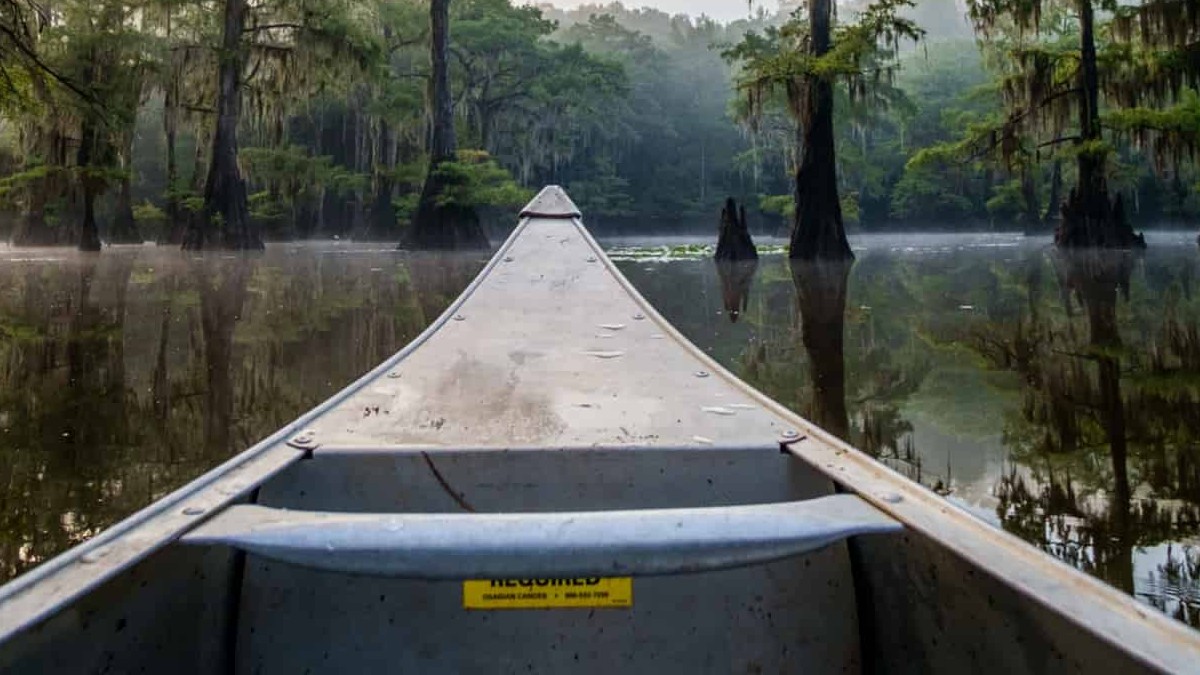
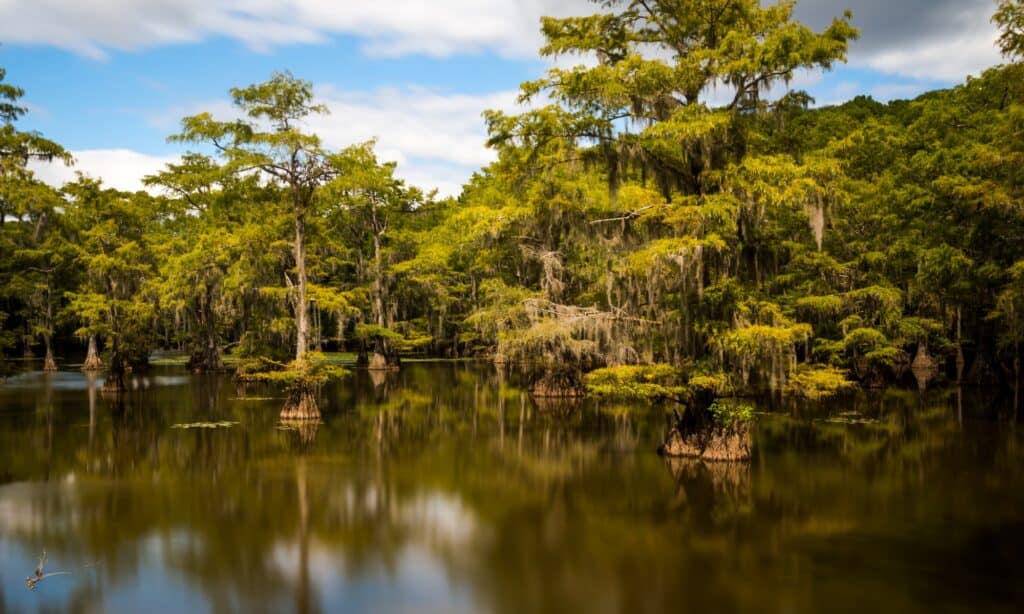
    Ready for a plot twist? Texas has ONE natural lake. Yep. Just one. Meet Caddo Lake—kinda mysterious, honestly.

https://www.twdb.texas.gov/surfacewater/rivers/reservoirs/index.asp

Caddo Lake:

  • Sits on the Texas-Louisiana border (so, kinda shared custody)
  • Over 25,000 acres of cypress swampy goodness
  • Looks like a set from “True Detective”
  • Formed by a giant logjam way back in the 1800s

Man-Made Lakes:
The rest? All man-made. As in, over 7,000 of ‘em. Built for everything from drinking water to fishing tournaments, and, obviously, giving Texans more places to park their jet skis.

  1. So, How Many Lakes Are We Actually Talking About?
    Let’s cut to the chase. According to the Texas Water Development Board and the Texas Parks and Wildlife folks, there are over 7,000 named lakes and reservoirs here. That adds up to more than 3.5 million acres of watery real estate.

Breakdown:

  • 200+ “Major” Lakes: 5,000 acres or more. Big stuff.
  • 1,000+ Medium: 500–5,000 acres. Decent for a weekend.

  • Thousands of Small Ones: Under 500 acres. Still fun if you like peace and quiet.

Wild Fact: Over 98% of Texas’ lakes? Man-made. Take that, Mother Nature.

  1. The Big Boys: Texas’ Largest Lakes
    In case you wanna know which lakes are flexing the most acreage, here’s the current top 10:
  2. Toledo Bend Reservoir – 181,600 acres (yowza)
  3. Sam Rayburn Reservoir – 114,500 acres
  4. Falcon Lake – 83,654 acres
  5. Lake Livingston – 83,000 acres
  6. Lake Texoma – 78,420 acres
  7. Lake Amistad – 66,465 acres
  8. Lake Whitney – 23,560 acres
  9. Lake Buchanan – 22,333 acres
  10. Lake Travis – 18,622 acres
  11. Possum Kingdom Lake – 17,700 acres

Notice a trend? All man-made. Man, Texans love their dams.

  1. Teeny Tiny Lakes Texas Still Likes to Brag About
    Sure, we’ve got some monster lakes, but Texas also officially recognizes some small fries—especially if they’re cool for wildlife or have a great fishing hole.

Examples:

  • Lake Theo (120 acres) – Caprock Canyons State Park
  • Lake Ratcliff (45 acres) – Davy Crockett National Forest
  • Lake Fryer (110 acres) – Up near Perryton
  1. Top 20 Most Popular Splash Zones (Aka Lakes)
    These are the spots everyone and their grandma hits up for boating, swimming, fishing, or just chilling:
  • Lake Travis
  • Lake Texoma
  • Possum Kingdom Lake
  • Canyon Lake
  • Lake Conroe
  • Lake Buchanan
  • Inks Lake
  • Lake Whitney
  • Lake LBJ
  • Sam Rayburn Reservoir
  • Lake Livingston
  • Lake Fork
  • Toledo Bend Reservoir
  • Lake Palestine
  • Lake Austin
  • White Rock Lake
  • Lake Arlington
  • Lady Bird Lake
  • Grapevine Lake
  • Eagle Mountain Lake

Narrowing it down to just 20 is tough—there are hundreds more, but hey, these get the most love (and Instagram geotags).

Stick around, because Texas lakes are a whole thing—history, fishing, wild names, and even a couple lakes that just straight-up disappeared.

Avoid the Water: The Best Texas Cities with minimal…

Pic Credit: NPR

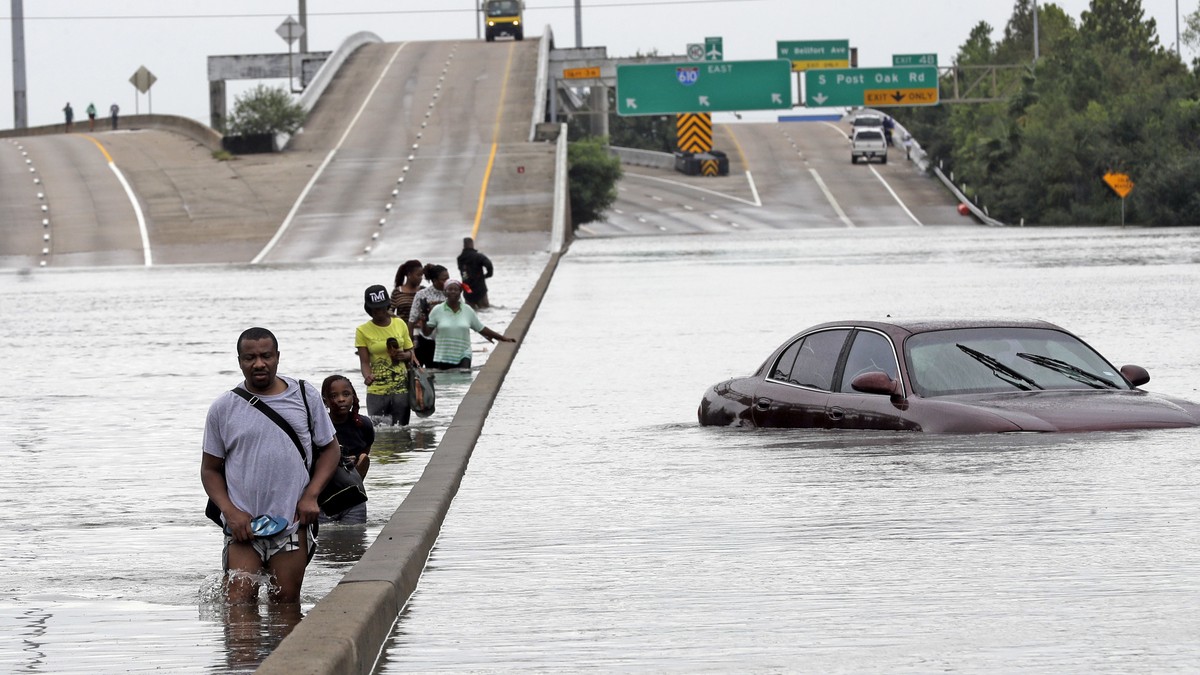
Dodge the Deluge: Texas Cities Where Floods Don’t Stand a Chance

When folks talk about Texas, sure, you get the classic imagery—endless highways, wildflowers, maybe a pit stop for brisket. But, let’s be real, if you’ve watched even five minutes of the news during hurricane season, you know not every part of Texas is created equal when it comes to floods. Some spots? Practically marshland. But others? Dry as a bone, baby.

Let’s say you want the big Texas experience minus the soggy living room carpet. Good news: some cities here barely know what a flood warning sounds like. I mean, nowhere is 100% water-proof (unless you’ve got a houseboat), but some places are honestly as close as you’ll get.

https://climatecheck.com/texas

So, I’ve rounded up the top Texas cities where you can chill out about flood risks—places with smart city planning, good drainage, and, well, not much rain. Whether you’re shopping for a new zip code or just want to sleep better during storm season, this list should help.

Why You Should Actually Care About Flood Risk in Texas

Look, Texas weather can go from “sunbathing on the porch” to “grab the sandbags” in about ten minutes, especially in hurricane season (June through November because Mother Nature has zero chill). The coast and spots near big rivers get hammered the most—think Brazos, Trinity, Colorado, all those guys. And then there’s the whole rapid development thing, where cities toss up concrete like it’s going out of style, which basically tells rainwater, “Hey, no room for you here—go flood my neighbor’s house instead.”

Plus, climate change is just making stuff weirder. More rain, less predictability. If you own a house or even just rent, less flood risk means cheaper insurance, less drama, and less time bailing water out of your garage. Trust me, it matters.

How These Cities Made the List

I didn’t just pick names out of a cowboy hat. This is based on FEMA flood maps, NOAA data, how cities plan for flooding, elevation, and whether the local government actually knows what the heck it’s doing when it rains sideways. Basically, these are the places that don’t get their socks knocked off every time there’s a thunderstorm.

Alright, here we go:

  1. El Paso – The “We Forgot What Rain Looks Like” City
    Flood Drama: Almost nonexistent
    Where: West Texas

El Paso is basically the Texas version of Arizona—dry, high up, and not even on a hurricane’s radar. Average rain? Like, 9 inches a year. Your houseplants will suffer more than your basement.

Why Move Here?
You’re up at 3,740 feet, so rain’s gotta work hard to even get here. Desert ground soaks up what little does fall, storm drains are on point, and hurricanes don’t even know the way. Plus, you get killer sunsets, a cool cross-border culture, and—you ready?—it’s actually one of the safest big cities in the country.

  1. Lubbock – Where Tornadoes Party, But Floods Don’t
    Flood Drama: Pretty low
    Where: Northwest Texas

Lubbock’s way up there (3,200 feet). No rivers, no coast, not much to flood. Sometimes you’ll get a gnarly thunderstorm, but giant floods? Nah.

Why’s It Work?
It’s dry, it’s windy, and they keep upgrading the infrastructure. You’ve got Texas Tech bringing in the college energy, houses don’t cost a fortune, and the city keeps growing.

  1. Amarillo – Cowtown, Not Water Town
    Flood Drama: Low
    Where: Panhandle

Pic Credit: The Atlantic

Amarillo’s another one for the “rain, what’s that?” club. High ground, barely any annual rain, and the drainage is solid. Hurricanes? Please, those things can’t find Amarillo on a map.

What’s Good?
Chill pace, nice people, and just enough cowboy hats to keep it interesting. It’s perfect if you want affordable living without the flood headache.

  1. Midland – Oil, Money, and Dry Feet
    Flood Drama: Also low
    Where: West Texas

Midland is famous for oil, but maybe it should get more hype for its anti-flood powers. Flat, arid land, hardly any rivers or lakes, so water’s not hanging around long enough to cause trouble.

Why Bother?
If you work in energy, the pay’s good. City’s modern, family-friendly, and, as a bonus, your basement won’t double as a swimming pool.

  1. San Angelo – River City, But Still Dry
    Flood Drama: Low-to-moderate (but mostly just low)
    Where: West-ish Central Texas

San Angelo gets a bit more green (yes, there’s a river), but don’t sweat it—they’ve got levees, smart zoning, and decent river control. Floods are rare, and the city’s on top of it.

Why It’s Cool:
Downtown’s cute, the riverwalk is actually worth a stroll, and the community’s tight-knit. Good for families and retirees who want pretty views without flood insurance nightmares.

  1. Abilene – Central Texas, But Basically a Desert
    Flood Drama: Low
    Where: West-Central Texas

Abilene’s got that dry, warm climate, and—get this—they actually bothered with drainage planning so when it does pour, the water doesn’t just sit around. No big rivers, so you’re safe.

Perks?
Urban comforts, but you still feel like you’re in small-town Texas. Not much flood drama, decent cost of living, and people wave at you in the grocery store.

So, there you have it. You can keep your feet dry in Texas—you just gotta know where to look. And hey, your insurance agent will probably thank you.

How to Dry Brush Your Skin: Step-by-Step Guide…

How to Dry Brush Your Skin: A No-Nonsense Beginner’s Guide

Alright, let’s talk dry brushing. You’ve probably seen it all over TikTok and Instagram—skinfluencers raving about it, wellness folks swearing it changed their life, maybe even your weirdly healthy aunt bringing it up at brunch. Seems almost too basic to do anything, right? But hey, enough people are obsessed that it’s gotta be more than just another fleeting wellness fad. Supposed perks? Smooth skin, better circulation, lymphatic drainage (whatever that really means), and a little pep in your step. Curious? Cool, keep reading.

Here’s your crash course: what dry brushing is, why you might want to bother, exactly how to do it (without mangling your skin), and how to sneak it into your routine without feeling like you’ve joined a cult.

https://www.healthline.com/health/dry-brushing

Table of Contents

  • So, What Even Is Dry Brushing?
  • Why Bother? The Supposed Benefits
  • Should You Try It? (Or Nah)
  • Picking the Right Brush (Because Yes, It Matters)
  • When’s the Best Time To Do This?
  • The How-To: Dry Brushing, Step by Step
  • Wait, Can You Dry Brush Your Face?
  • Aftercare: What Your Skin Wants Next
  • Rookie Mistakes (And How To Dodge Them)
  • How Often Is Too Often?
  • Does It Actually Work? Real Talk
  • Your Burning Questions, Answered
  • Final Thoughts: Is Dry Brushing Worth Adding To Your Self-Care Game?

So, What Even Is Dry Brushing?
Exactly what it sounds like: you grab a brush (not the one for your hair, obviously), and go to town on your dry skin. No water, no fancy oils—just you, your skin, and a brush that looks like it belongs in a 1950s bathhouse. People have been doing this since, like, ancient Greece and Ayurvedic times. Basically, it’s supposed to wake up your skin, help circulation, and get your lymph system moving. Science? Eh, still out for lunch, but people swear by it.

Why Bother? The Supposed Benefits
Here’s what people say you get out of it:

  1. Exfoliates Dead Skin
    Dry brushing scrapes off the dead stuff, so your actual skin can breathe. Bonus: your lotions absorb better after.
  2. Gets Your Blood Pumping
    The brushing motion is like a mini workout for your skin—you’ll look a little pink and feel more alive.
  3. Lymphatic Drainage (Yeah, That Thing)
    It’s supposed to help your body flush out the bad stuff faster. Are you turning into a detox queen? Maybe, maybe not.
  4. Cellulite Looks Smoother (For a Minute)
    Some folks say their skin looks less dimpled right after brushing. Don’t expect miracles, but hey, even a temporary glow-up is something.
  5. Wakes You Up
    People say dry brushing is like an espresso shot for your skin. You might just feel perkier after.

Should You Try It? (Or Nah)
Most skin types can handle it, especially if you’re not super sensitive. But:

  • If your skin is crazy sensitive or dry, go easy—use a soft brush and don’t overdo it.
  • Got eczema, psoriasis, or open wounds? Skip it. Seriously, don’t mess around.
  • Pregnant or got gnarly varicose veins? Ask your doc first.

Picking the Right Brush (Because Yes, It Matters)
You want natural bristles, not plastic ones that feel like sandpaper. Firm, but not so stiff they turn you into a tomato. Long handle? Awesome for your back. Short handle? More control. Detachable heads are handy if you travel or just like gadgets.

Pro tip: Clean your brush once a week (germs are not cute) and swap it out every 6–12 months.

When’s the Best Time To Do This?
Most people do it in the morning, pre-shower. Gets your blood pumping and helps you wake up. But if you wanna wind down at night, go for it. Five to ten minutes tops—don’t go all marathon on your skin.

The How-To: Dry Brushing, Step by Step
Here’s how it actually goes down:

  1. Start With Dry Skin (duh)
    Make sure both you and your brush are dry.
  2. Begin at Your Feet
    Use long strokes, always brushing up toward your heart. It’s a lymph thing.
  3. Legs & Thighs
    Go from ankles to knees, knees to thighs, still moving upward. Cover every patch.
  4. Tummy & Back
    Circular motions on your stomach (go clockwise), straight lines on your back.
  5. Arms & Chest
    Start at your hands, brush up to your shoulders. Be gentle on your chest—don’t go brushing your boobs, that’s a no-no.
  6. Neck & Shoulders
    Light touch here! Sweep down from jawline to collarbone.
  7. Shower Time
    Hop in a warm (not boiling) shower to rinse off all the dead skin.
  8. Moisturize
    Your skin’s thirsty now—hit it with some coconut oil, jojoba, or whatever lotion you love.

Dry brushing for the face? That’s a whole other convo. Some people swear by it, others say, “Are you nuts?” Your call, but maybe start with the body before you attack your cheeks with a brush.

And that’s the basics. Not rocket science, but your skin might just thank you. Or at least, you’ll feel like you’ve got your life together for a few minutes.

How to Dry Brush Your Skin: A No-Nonsense Beginner’s Guide

Alright, let’s talk dry brushing. You’ve probably seen it all over TikTok and Instagram—skinfluencers raving about it, wellness folks swearing it changed their life, maybe even your weirdly healthy aunt bringing it up at brunch. Seems almost too basic to do anything, right? But hey, enough people are obsessed that it’s gotta be more than just another fleeting wellness fad. Supposed perks? Smooth skin, better circulation, lymphatic drainage (whatever that really means), and a little pep in your step. Curious? Cool, keep reading.

Here’s your crash course: what dry brushing is, why you might want to bother, exactly how to do it (without mangling your skin), and how to sneak it into your routine without feeling like you’ve joined a cult.

Table of Contents

  • So, What Even Is Dry Brushing?
  • Why Bother? The Supposed Benefits
  • Should You Try It? (Or Nah)
  • Picking the Right Brush (Because Yes, It Matters)
  • When’s the Best Time To Do This?
  • The How-To: Dry Brushing, Step by Step
  • Wait, Can You Dry Brush Your Face?
  • Aftercare: What Your Skin Wants Next
  • Rookie Mistakes (And How To Dodge Them)
  • How Often Is Too Often?
  • Does It Actually Work? Real Talk
  • Your Burning Questions, Answered
  • Final Thoughts: Is Dry Brushing Worth Adding To Your Self-Care Game?

So, What Even Is Dry Brushing?
Exactly what it sounds like: you grab a brush (not the one for your hair, obviously), and go to town on your dry skin. No water, no fancy oils—just you, your skin, and a brush that looks like it belongs in a 1950s bathhouse. People have been doing this since, like, ancient Greece and Ayurvedic times. Basically, it’s supposed to wake up your skin, help circulation, and get your lymph system moving. Science? Eh, still out for lunch, but people swear by it.

Why Bother? The Supposed Benefits
Here’s what people say you get out of it:

  1. Exfoliates Dead Skin
    Dry brushing scrapes off the dead stuff, so your actual skin can breathe. Bonus: your lotions absorb better after.
  2. Gets Your Blood Pumping
    The brushing motion is like a mini workout for your skin—you’ll look a little pink and feel more alive.
  3. Lymphatic Drainage (Yeah, That Thing)
    It’s supposed to help your body flush out the bad stuff faster. Are you turning into a detox queen? Maybe, maybe not.
  4. Cellulite Looks Smoother (For a Minute)
    Some folks say their skin looks less dimpled right after brushing. Don’t expect miracles, but hey, even a temporary glow-up is something.
  5. Wakes You Up
    People say dry brushing is like an espresso shot for your skin. You might just feel perkier after.

Should You Try It?
Most skin types can handle it, especially if you’re not super sensitive. But:

  • If your skin is crazy sensitive or dry, go easy—use a soft brush and don’t overdo it.
  • Got eczema, psoriasis, or open wounds? Skip it. Seriously, don’t mess around.
  • Pregnant or got gnarly varicose veins? Ask your doc first.

Picking the Right Brush (Because Yes, It Matters)
You want natural bristles, not plastic ones that feel like sandpaper. Firm, but not so stiff they turn you into a tomato. Long handle? Awesome for your back. Short handle? More control. Detachable heads are handy if you travel or just like gadgets.

Pro tip: Clean your brush once a week (germs are not cute) and swap it out every 6–12 months.

When’s the Best Time To Do This?
Most people do it in the morning, pre-shower. Gets your blood pumping and helps you wake up. But if you wanna wind down at night, go for it. Five to ten minutes tops—don’t go all marathon on your skin.

The How-To: Dry Brushing, Step by Step
Here’s how it actually goes down:

  1. Start With Dry Skin (duh)
    Make sure both you and your brush are dry.
  2. Begin at Your Feet
    Use long strokes, always brushing up toward your heart. It’s a lymph thing.
  3. Legs & Thighs
    Go from ankles to knees, knees to thighs, still moving upward. Cover every patch.
  4. Tummy & Back
    Circular motions on your stomach (go clockwise), straight lines on your back.
  5. Arms & Chest
    Start at your hands, brush up to your shoulders. Be gentle on your chest—don’t go brushing your boobs, that’s a no-no.
  6. Neck & Shoulders
    Light touch here! Sweep down from jawline to collarbone.
  7. Shower Time
    Hop in a warm (not boiling) shower to rinse off all the dead skin.
  8. Moisturize
    Your skin’s thirsty now—hit it with some coconut oil, jojoba, or whatever lotion you love.

Dry brushing for the face? That’s a whole other convo. Some people swear by it, others say, “Are you nuts?” Your call, but maybe start with the body before you attack your cheeks with a brush.

And that’s the basics. Not rocket science, but your skin might just thank you. Or at least, you’ll feel like you’ve got your life together for a few minutes.

Exit mobile version